Arthamimansa – Research Journal
Welcome to Arthamimansa Research Journal

Research Journal of Vidarbha Arthashastra Parishad

Included in earlier published UGC CARE Journals (Group-1) List

Research Articles
Browse peer-reviewed research publications
Article Thumbnail
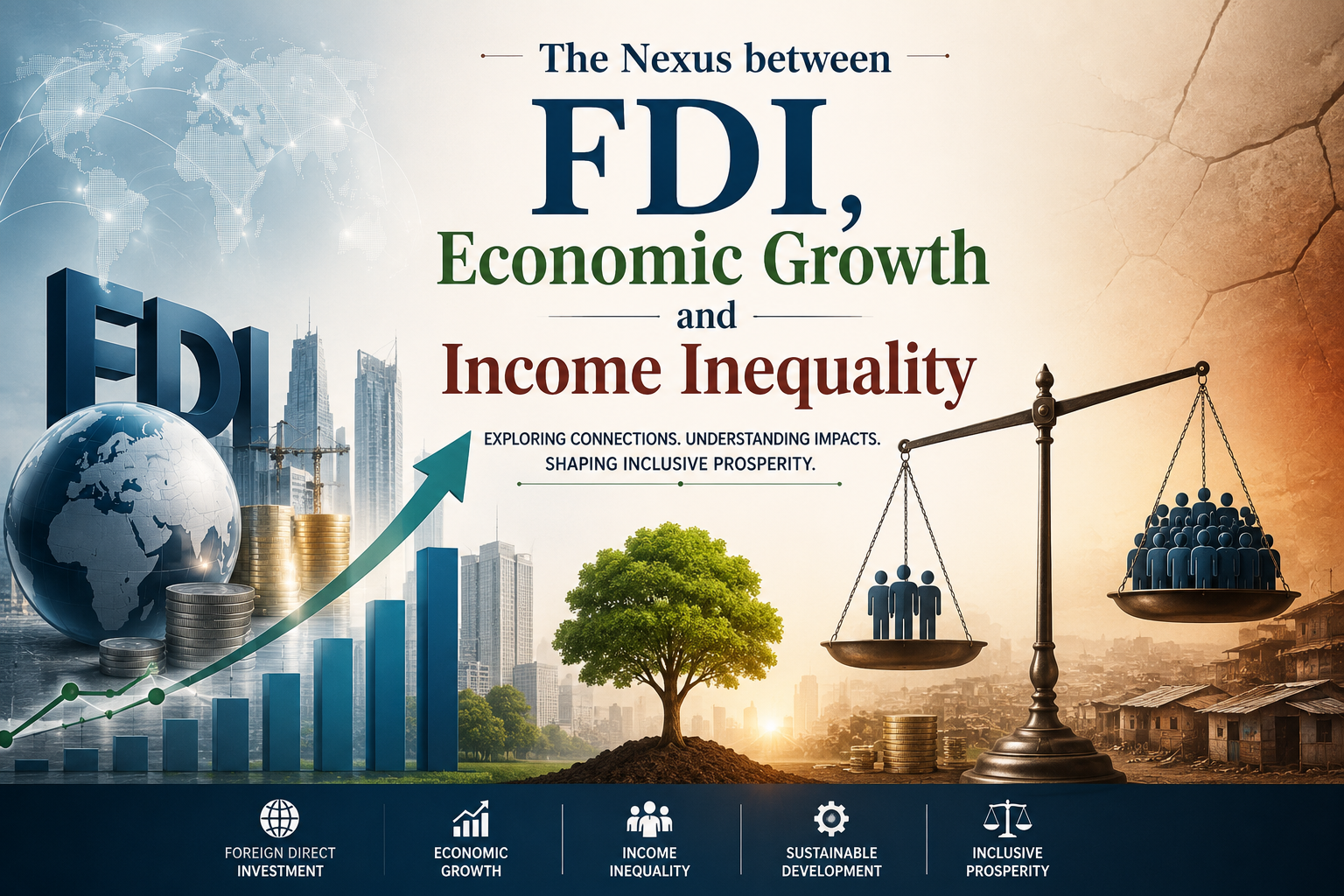
Research Article The Nexus between FDI, Economic Growth and Income Inequality in India: An Empirical Investigation
Preview Abstract

This study examines the nexus between economic growth (GDP per capita growth rate), Foreign Direct Investment (Net FDI inflow percent of GDP minus Net FDI outflow percent of GDP), and income inequality (Gini Index) in India over the period from 1991-2019 using the Autoregressive Distributed Lag (ARDL) model. The analysis demonstrates that while FDI and GDP growth accelerated rapidly, their impact on income inequality was trivial, with only a marginal decline observed. Foreign direct investment inflow is greater than outflow, indicating that India is attracting more foreign investment than it is investing abroad. However, no significant long-term relationship is found between FDI and income inequality. The findings suggest that strong economic growth and increased FDI do not automatically lead to reduced income inequality and that policymakers should adopt targeted measures to achieve inclusive growth.

Keywords: India, Income Inequality (Gini Index), Economic Growth, FDI, ARDL
Article Thumbnail
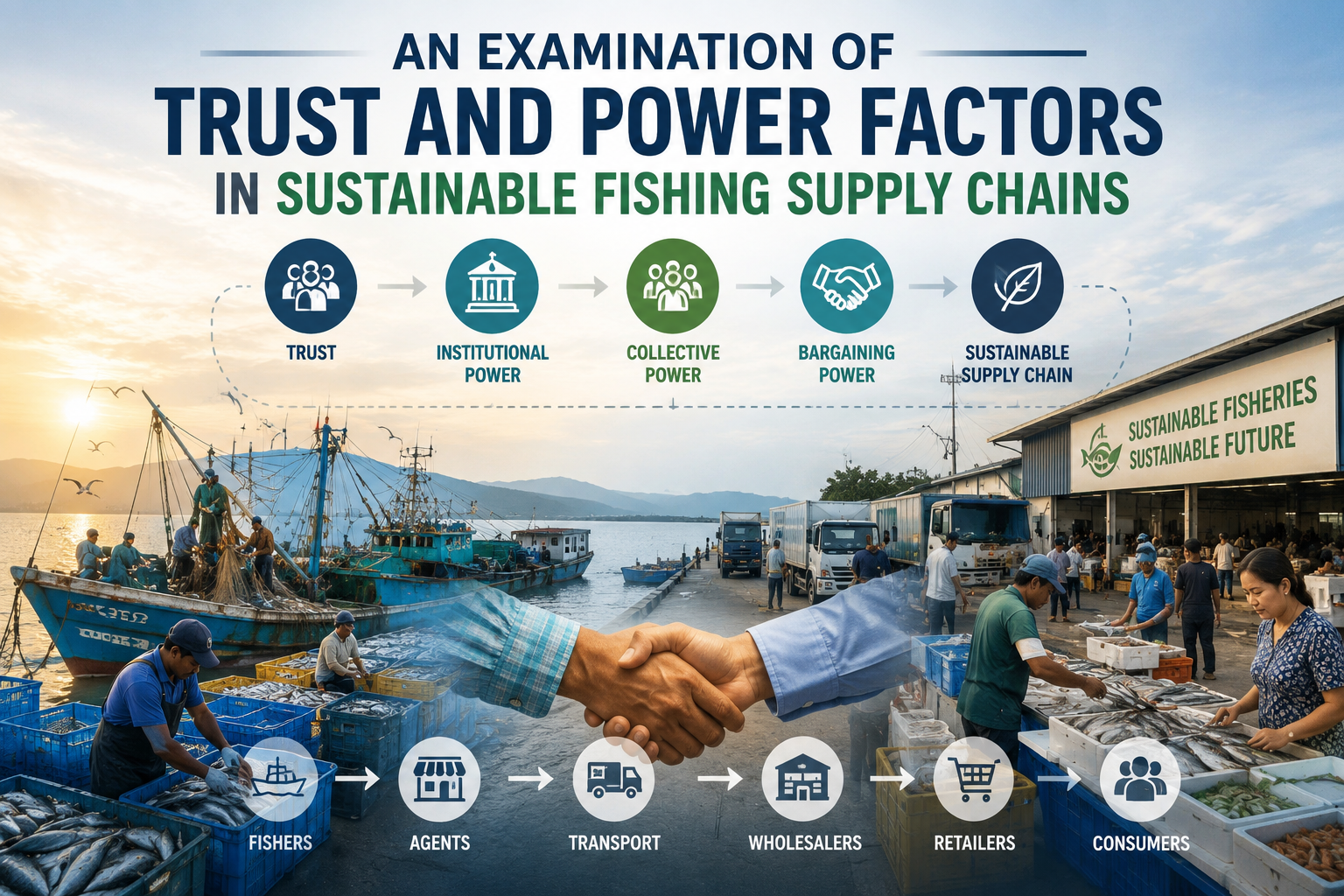
Research Article An Examination of Trust and Power Factors in Sustainable Fishing Supply Chains
Preview Abstract

This study provides a comprehensive analysis of the fisheries sector, with a particular focus on sustainable fisheries supply chains. It examines the influence of bargaining power, institutional power, collective power, and trust on supply chain sustainability. Primary data were collected from 410 supply chain participants, including fishers, agents, and retailers, in Goa, India. The data were collected through structured questionnaires and analysed using Partial Least Squares Structural Equation Modelling (PLS-SEM) with SmartPLS 4. The findings reveal significant relationships among institutional power, trust, and supply chain sustainability. Collective power also has a significant positive impact on the sustainability of fisheries supply chains. The findings provide insights for policymakers and stakeholders in designing effective governance mechanisms and evidence-based policies.

Keywords: Marine fisheries, bargaining power, collective power, institutional power, supply chain sustainability, trust

Article Thumbnail
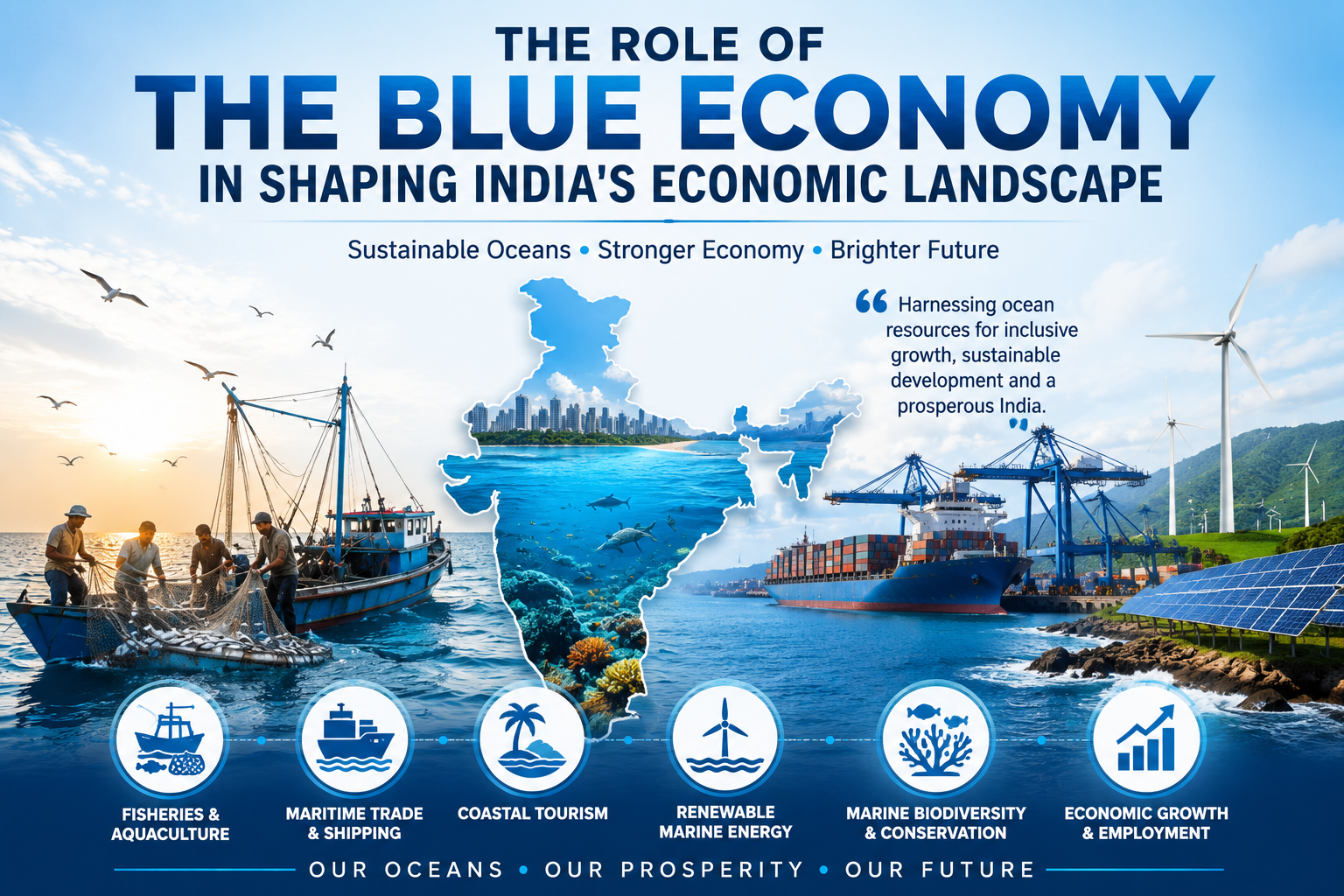
Research Article The Role of the Blue Economy in Shaping India's Economic Landscape
Preview Abstract

The blue economy has emerged as an important concept in India, a country with a coastline of over 7,500 kilometers and rich marine biodiversity. India's marine resources play a vital role in the country's economic development. The sector includes important economic activities such as fishing, maritime trade, tourism and renewable energy. This research paper studies the current state of the blue economy in India and examines its contribution to GDP, employment and international trade. It also analyses government efforts to develop the country's blue economy and highlights the challenges involved in developing the sector.

Keywords: Blue economy, Marine Resources, Sustainable Development, Economic Development

Article Thumbnail
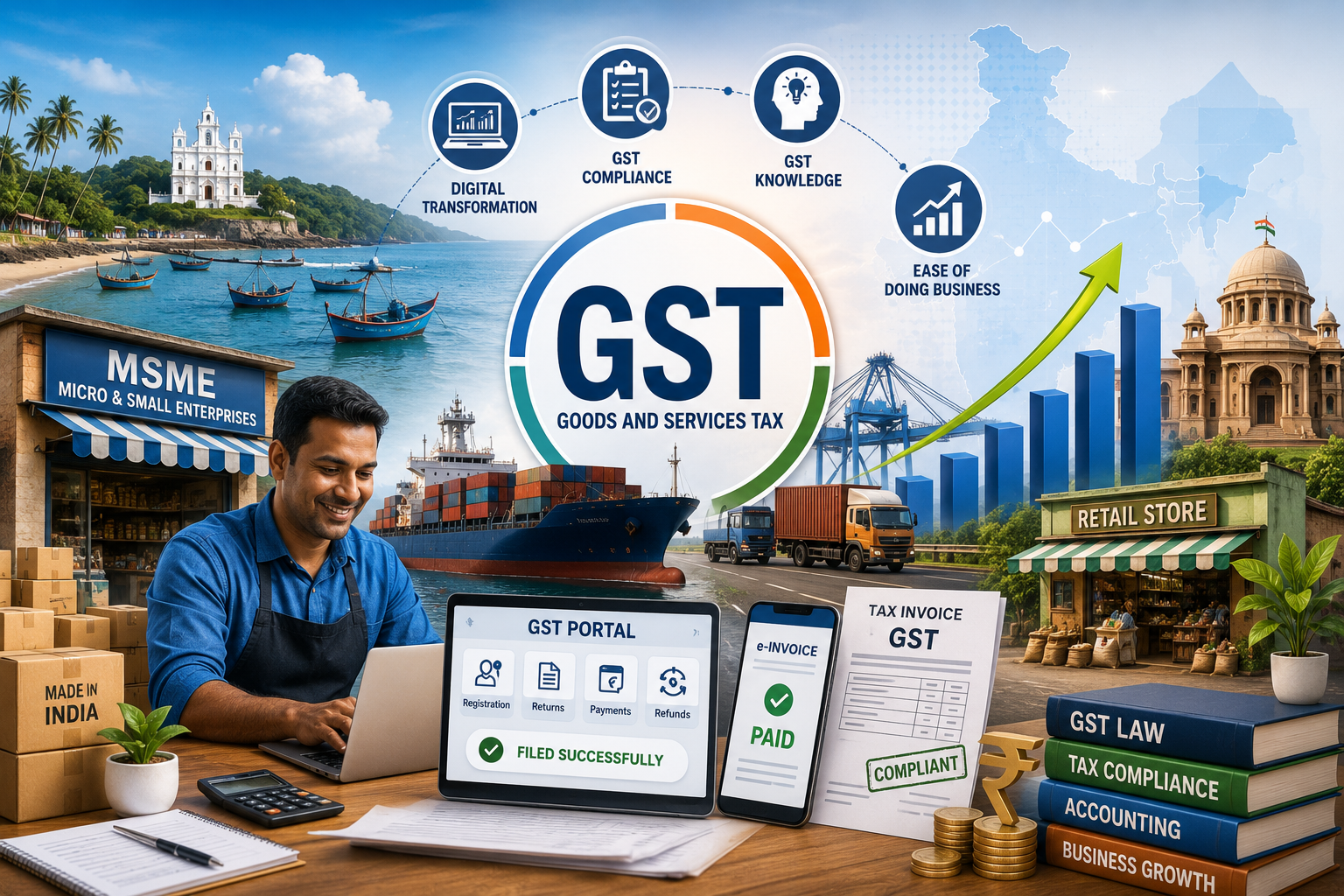
Research Article Impact of the Goods and Services Tax on Ease of Doing Business: A PLS SEM Study of Micro and Small Enterprises in Goa
Preview Abstract

The present study investigates the impact of changes in the indirect tax structure, digital transformation, the GST compliance system, and GST knowledge on the ease of doing business for micro and small enterprises in Goa. Quantitative data were collected through a structured questionnaire from 200 business operators in Goa and analysed using SmartPLS SEM version 4. The study provides empirical evidence regarding the influence of GST-related factors on ease of doing business and contributes to the literature on GST framework design and MSME competitiveness. The findings reveal that the transition to the GST regime does not have a significant direct effect on ease of doing business, while digital transformation, the GST compliance system and GST knowledge have significant positive effects.

Keywords: Indirect Tax, Goods & Services Tax, micro and small businesses, digital transformation, ease of doing business

Article Thumbnail
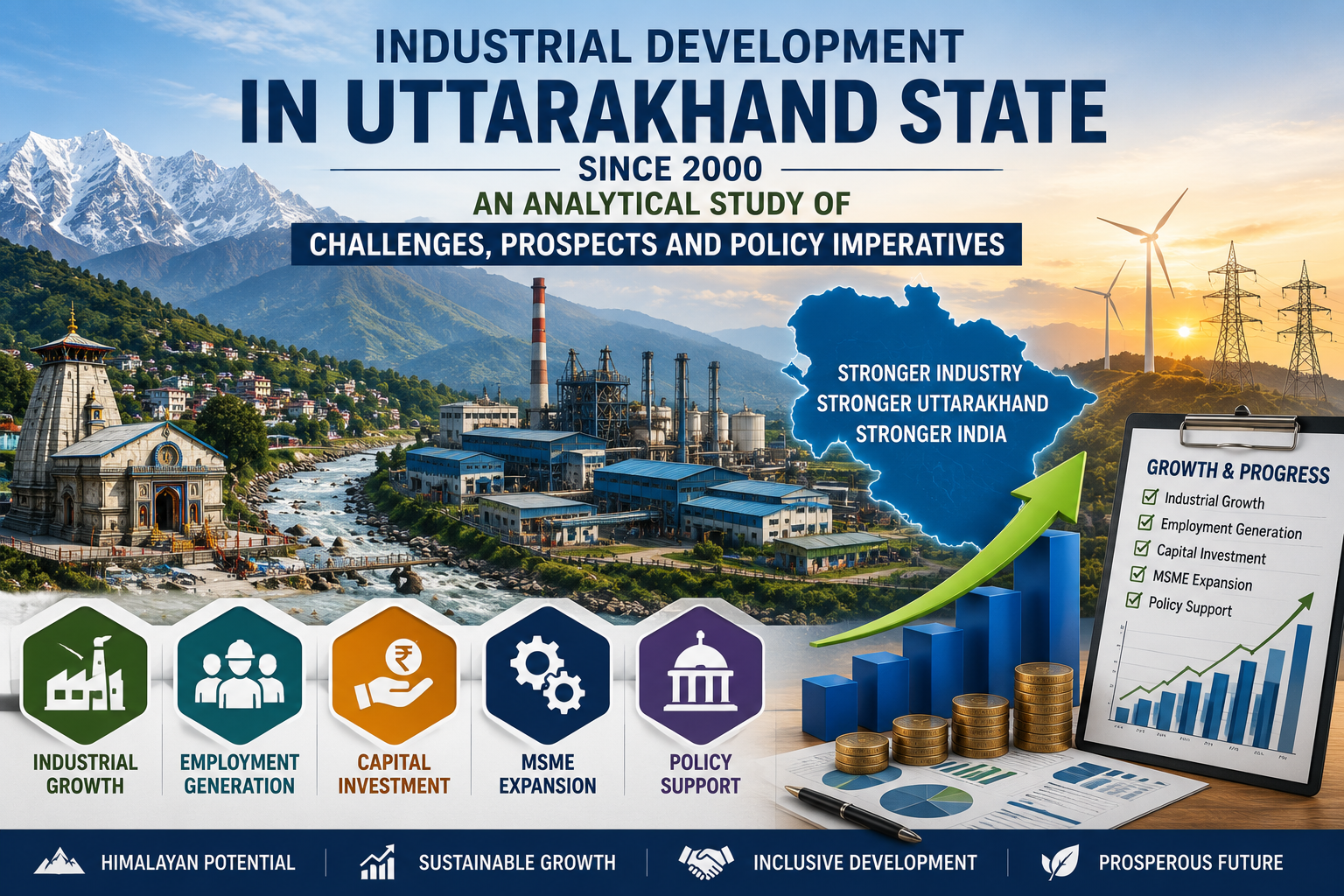
Research Article Industrial Development in Uttarakhand State since 2000: An Analytical Study of Challenges, Prospects and Policy Imperatives
Preview Abstract

This study presents a quantitative empirical analysis of industrial development in Uttarakhand from 2000-01 to 2022-23, focusing on policy-driven structural transformation, industrial growth, employment generation and capital investment. Data were compiled from the Directorate of Industries and the Directorate of Economics and Statistics, Government of Uttarakhand. The analysis applies descriptive statistics, Compound Annual Growth Rate (CAGR), Pearson correlation and ordinary least squares regression. Industrial units, employment and capital investment increased substantially. The micro, small and medium enterprise sector was the primary driver of employment. Pearson correlation showed a near-perfect association between enterprise formation and employment, while OLS regression indicated that each additional industrial unit generates approximately eight jobs. The findings establish MSME-led enterprise expansion as an important driver of industrial employment and highlight the importance of policies supporting inclusive industrial growth.

Keywords: Industrialisation, MSMEs, Employment Generation, Structural Transformation

Article Thumbnail
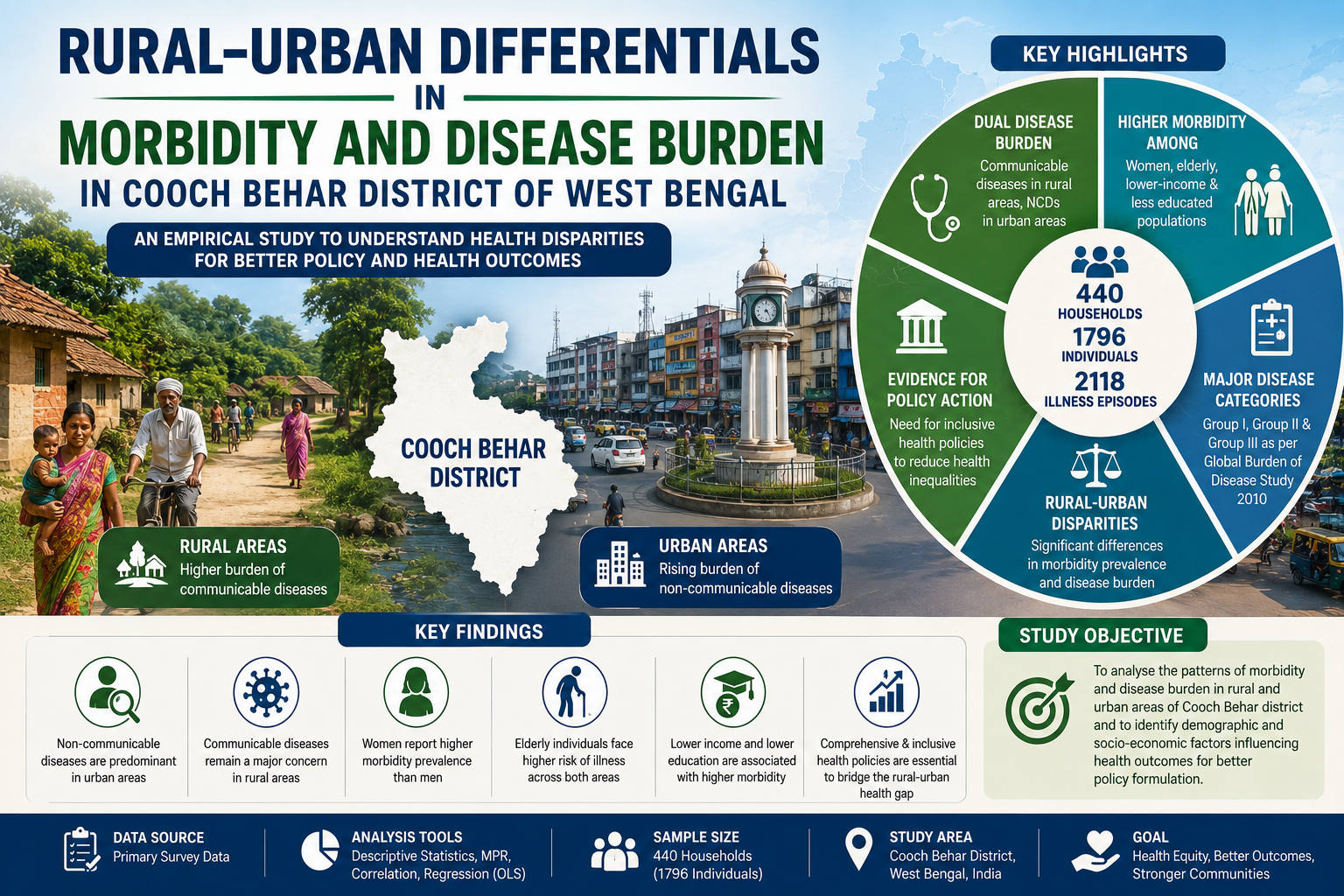
Research Article Rural-Urban Differentials in Morbidity and Disease Burden in Cooch Behar District of West Bengal
Preview Abstract

This study explores disease prevalence in Cooch Behar district of West Bengal with a specific focus on rural-urban disparities. Primary data were obtained from 440 households comprising 1,796 individuals, recording 2,118 self-reported illness episodes. Diseases are classified into three broad categories according to the modalities of the Global Burden of Disease Study 2010 and examined across demographic and socio-economic variables. The findings indicate a dual disease burden, with non-communicable diseases predominating particularly in urban areas while communicable diseases remain significant in rural regions. Higher morbidity prevalence is observed among women, elderly individuals, lower-income groups and less educated populations. The study highlights the need for comprehensive and inclusive health policies to reduce rural-urban disparities.

Keywords: Communicable and Non-Communicable Diseases, Epidemiological Transition, Morbidity Prevalence Rate (MPR), Disease Burden, Cooch Behar District

Article Thumbnail
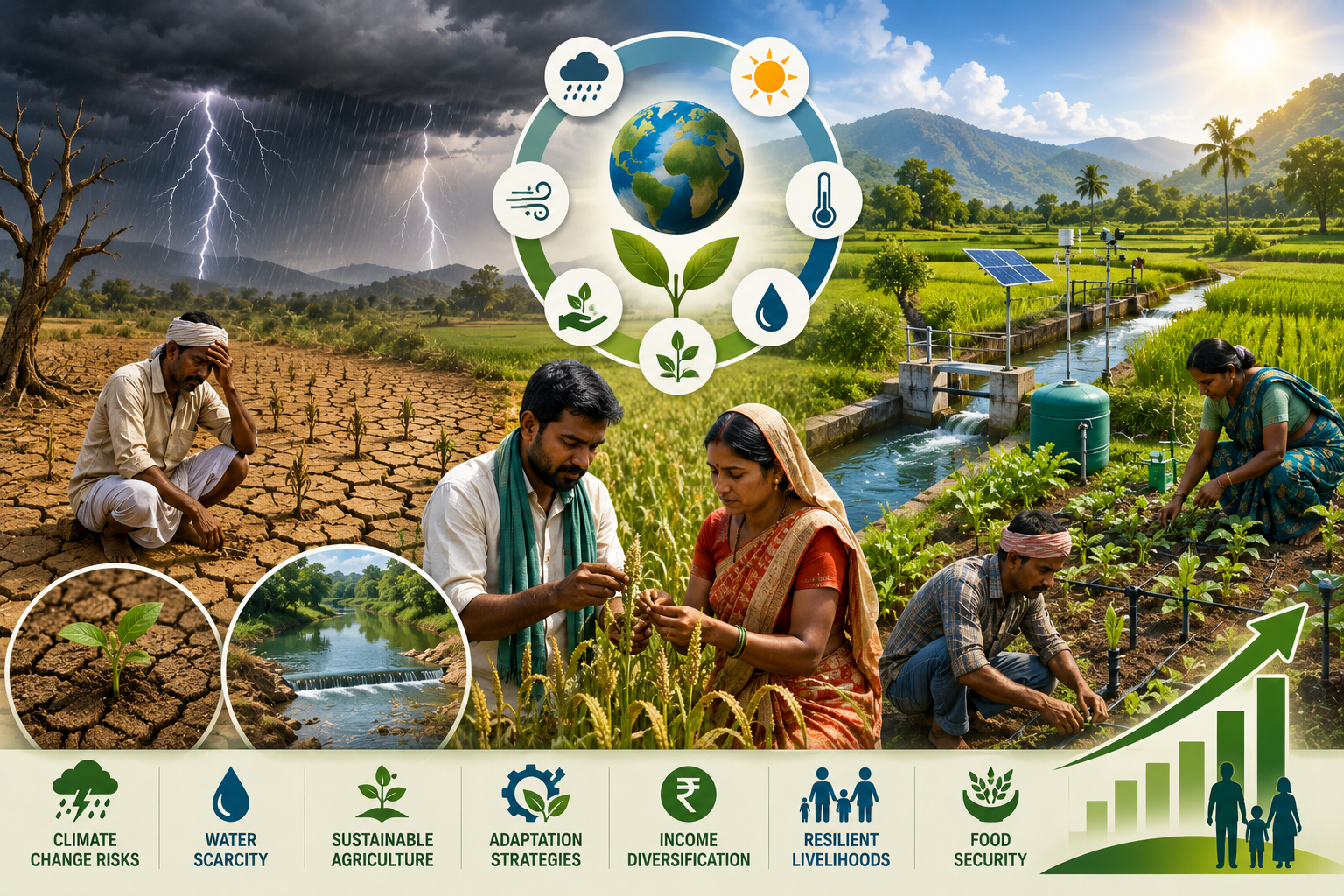
Research Article Effect of Risks on Farmers' Adaptation to Climate Change: A Structured Field Experiment
Preview Abstract

This study investigates the dynamic interplay between agriculture-related risks and climate change mitigation strategies in Riverbed and Rainfed regions. It examines whether differences in seasonal crop cultivation, crop selection rationale, income sources and farming expenses between these regions are reflected in the adoption of climate change mitigation strategies. The analysis reveals substantial regional variations across multiple dimensions and highlights the need for region-specific interventions. Differences in crop selection, income sources and farming expenses indicate the importance of adaptive measures tailored to local conditions. The study emphasizes region-specific policy support, agricultural resilience and climate-resilient farming practices to safeguard livelihoods and food security.

Keywords: Climate change, Mitigation strategies, Regional disparities, Small farmers, Agriculture Resilience

Article Thumbnail
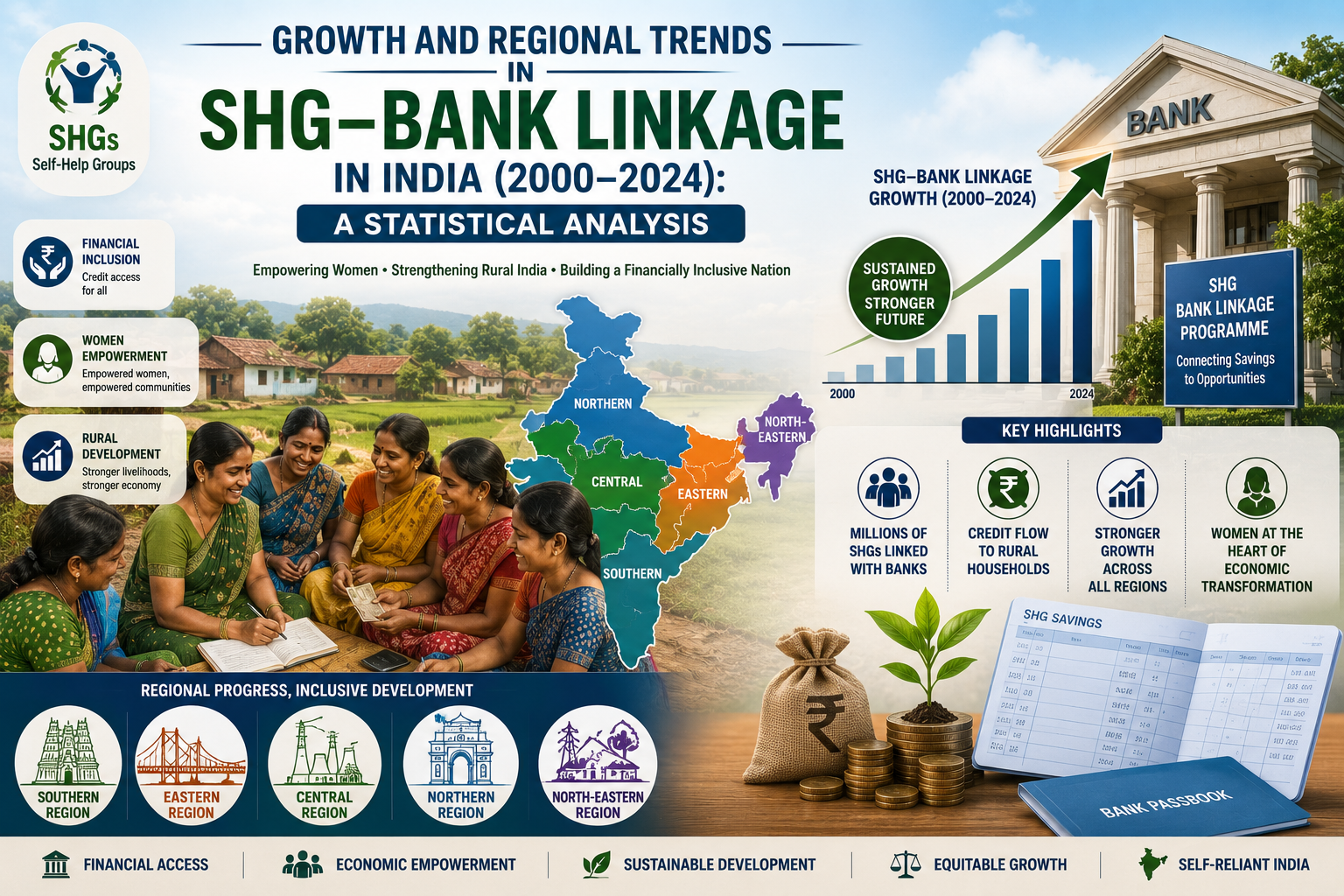
Research Article Growth and Regional Trends in SHG-Bank Linkage in India (2000-2024): A Statistical Analysis
Preview Abstract

The study examines the growth pattern and regional variations of the Self-Help Group (SHG)-Bank Linkage Programme in India using Compound Annual Growth Rate (CAGR) and regression analysis for the period 2000-2024. The analysis reveals a sustained increase in the number of SHG linkages with banks across all regions, highlighting the programme's role in financial inclusion and rural empowerment. The Southern Region consistently maintains the highest growth rate, followed by the Eastern and Central Regions, while the North-Eastern and Northern Regions exhibit comparatively lower but positive growth. Regression results show strong and statistically significant relationships between time and SHG linkage, with R-squared values exceeding 0.94. The study recommends targeted interventions to strengthen weaker regions through financial literacy, institutional support and capacity building.

Keywords: Self-Help Groups (SHGs), microfinance, women empowerment, SHG-Bank Linkage Programme, rural development, India

Article Thumbnail
Research Article Determinants of Education Loan for Higher Education in Uttarakhand: An Empirical Analysis
Preview Abstract

The study focuses on finding the determinants of education loan for higher education in Uttarakhand. Using primary data of 220 students studying in medical and technical colleges of Uttarakhand, an empirical analysis using logistic regression was undertaken to identify factors affecting the decision to take an education loan. The analysis suggests that gender, educational attainment, occupation of the head of the family, household income and course fee are significant determinants of education loan among students pursuing medical and technical courses in Uttarakhand.

Keywords: Financing, Education loan, Higher education, Logistic regression

Article Thumbnail
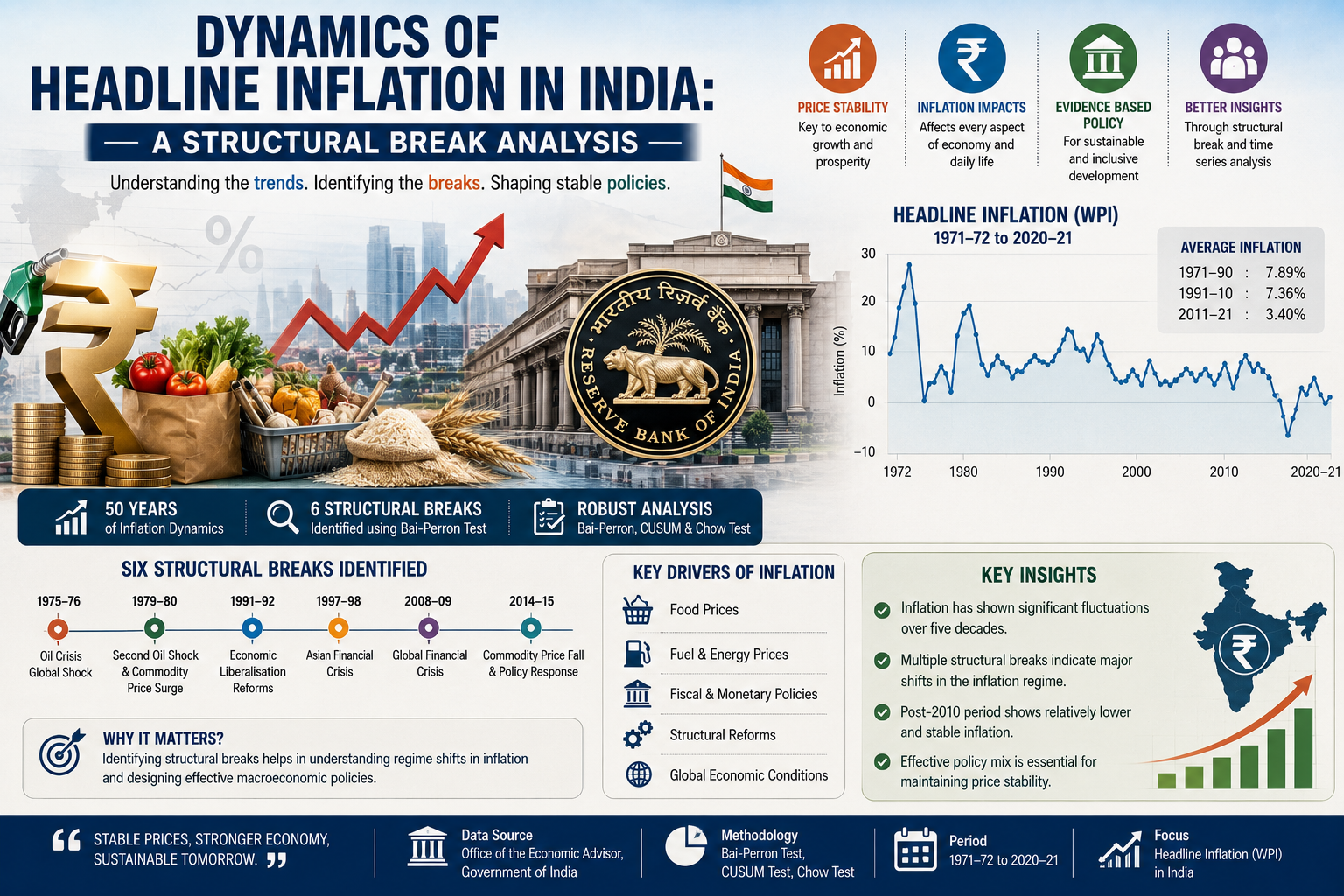
Research Article Dynamics of Headline Inflation in India: A Structural Break Analysis
Preview Abstract

Inflation, as a pivotal economic indicator, influences the stability and growth trajectory of an economy. This study examines the evolving trends and patterns of headline inflation in India from 1971-72 to 2020-21. It employs Bai-Perron structural break analysis, the CUSUM test and the Chow test. The findings reveal six pivotal structural breaks in the inflation trajectory of the Indian economy, identified through the minimization of the Bayesian Information Criterion in model 6. The CUSUM graph indicates a lack of inflation stability, while the Chow test confirms the statistical significance of the identified breaks. The study attributes inflation fluctuations to a complex interaction of domestic and global factors, including food and fuel prices, fiscal and monetary policy actions and structural reforms.

Keywords: Headline inflation, Trends and patterns, Structural break analysis, Bai-Perron test, CUSUM test, Chow test