Arthamimansa – Research Journal
Welcome to Arthamimansa Research Journal

Research Journal of Vidarbha Arthashastra Parishad

Included in earlier published UGC CARE Journals (Group-1) List

Research Articles
Browse peer-reviewed research publications
Article Thumbnail
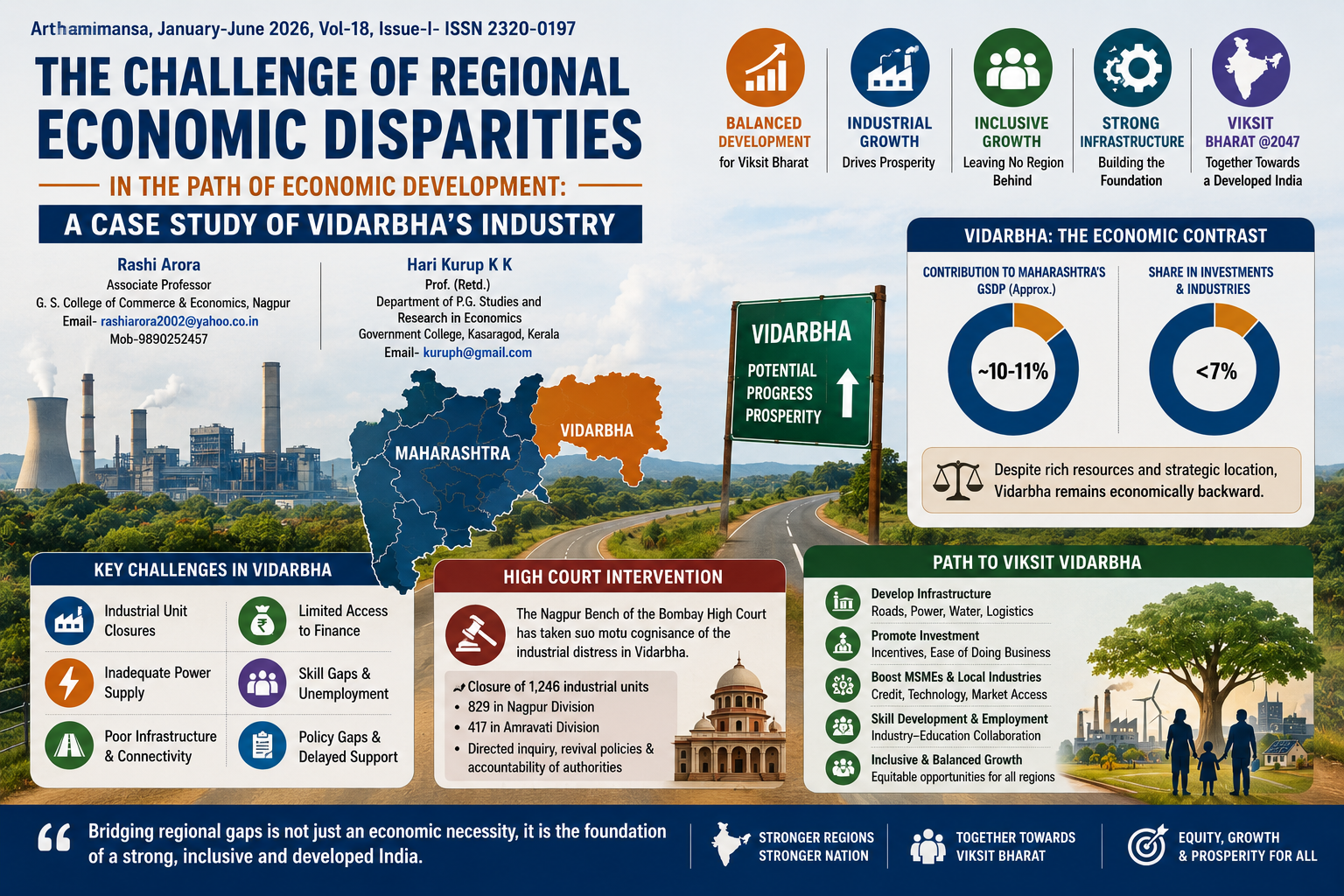
Research Article The Challenge of Regional Economic Disparities in The Path of Economic Development: A Case Study of Vidarbha's Industry
Preview Abstract

The study examines the economic and industrial backwardness of Vidarbha in the context of India's aspiration for inclusive development. The research explores the state of factors crucial for industrial progress in Vidarbha and possible solutions for overcoming industrial backwardness. The study highlights persistent regional disparities and examines factors including transportation, natural resources, power, finance, raw materials, labour and government support. It argues that deficiencies in these industrial growth factors contribute to the region's industrial distress and emphasizes region-specific, actionable and time-bound policies to address Vidarbha's industrial and economic challenges.

Keywords: Vidarbha, Industrial Factors, Economic Backwardness
Article Thumbnail
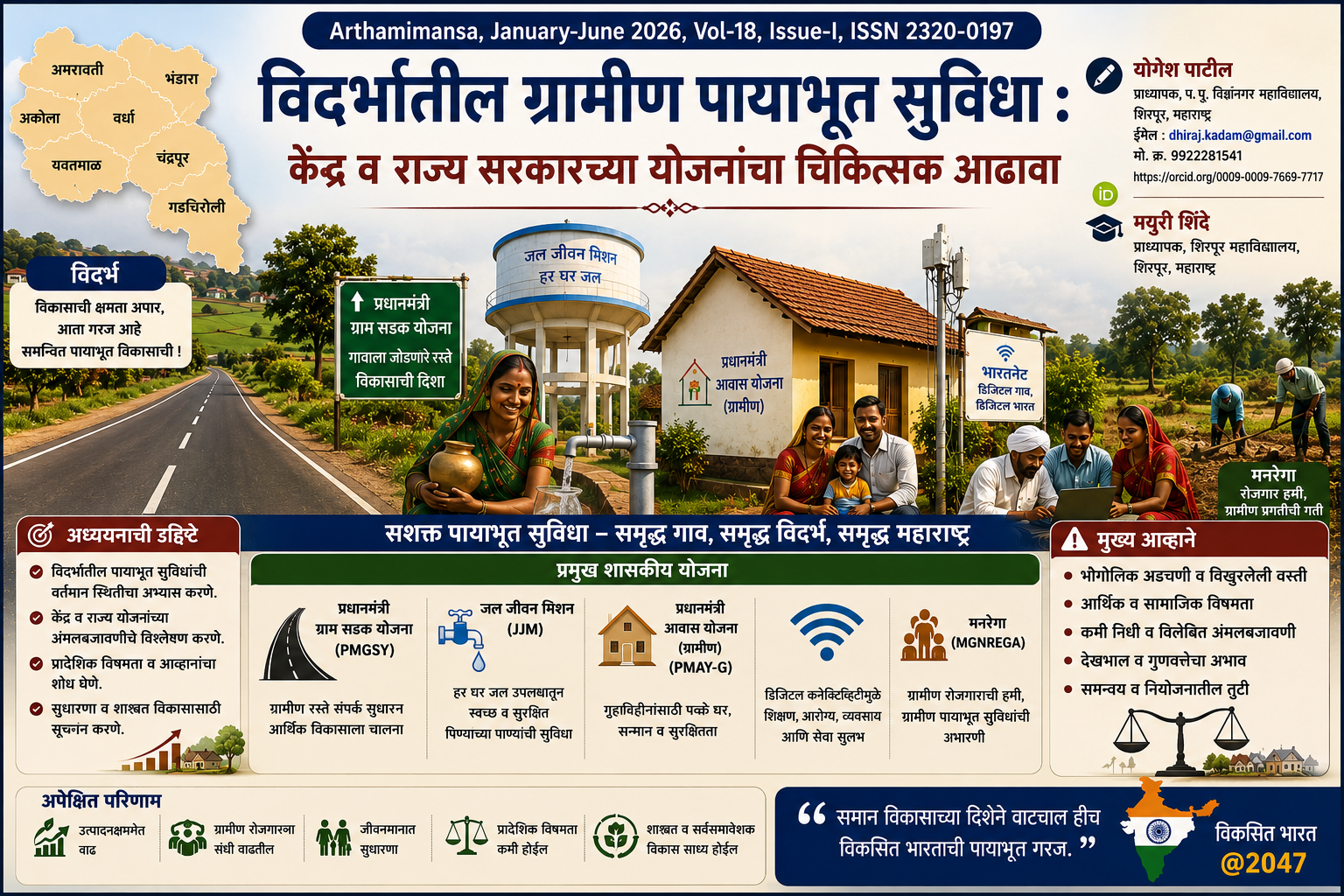
Research Article विदर्भातील ग्रामीण पायाभूत सुविधा: केंद्र व राज्य सरकारच्या योजनांचा चिकित्सक आढावा
Preview Abstract

प्रस्तुत संशोधनामध्ये विदर्भातील ग्रामीण पायाभूत सुविधांच्या विकासामध्ये केंद्र व महाराष्ट्र शासनाच्या विविध योजनांची परिणामकारकता चिकित्सक पद्धतीने अभ्यासण्यात आली आहे. ग्रामीण रस्ते, पिण्याचे पाणी, विद्युतीकरण, सिंचन, स्वच्छता, गृह निर्माण आणि डिजिटल संपर्क या प्रमुख सुविधांच्या उपलब्धतेचे व परिणामांचे विश्लेषण करण्यासाठी वर्णनात्मक व विश्लेषणात्मक संशोधन पद्धतीचा अवलंब करण्यात आला असून प्राथमिक व द्वितीयक माहितीचा वापर करण्यात आला आहे. अभ्यासातून असे स्पष्ट होते की प्रधानमंत्री ग्राम सडक योजना, जल जीवन मिशन, प्रधानमंत्री आवास योजना (ग्रामीण), मनरेगा आणि स्वच्छ भारत मिशन यांसारख्या योजनांमुळे विदर्भातील ग्रामीण पायाभूत सुविधांमध्ये लक्षणीय सुधारणा झाली आहे. तथापि, दुर्गम व आदिवासी भागांतील प्रादेशिक विषमता, अंमलबजावणीतील त्रुटी, गुणवत्तेच्या समस्या आणि अपुरी देखभाल यांमुळे योजनांची परिणामकारकता सर्वत्र समान प्रमाणात दिसून येत नाही.

Keywords: ग्रामीण पायाभूत सुविधा, विदर्भ, ग्रामीण विकास, जल जीवन मिशन, प्रधानमंत्री ग्राम सडक योजना, ग्रामीण विद्युतीकरण, सिंचन, शाश्वत विकास, प्रादेशिक विषमता

Article Thumbnail
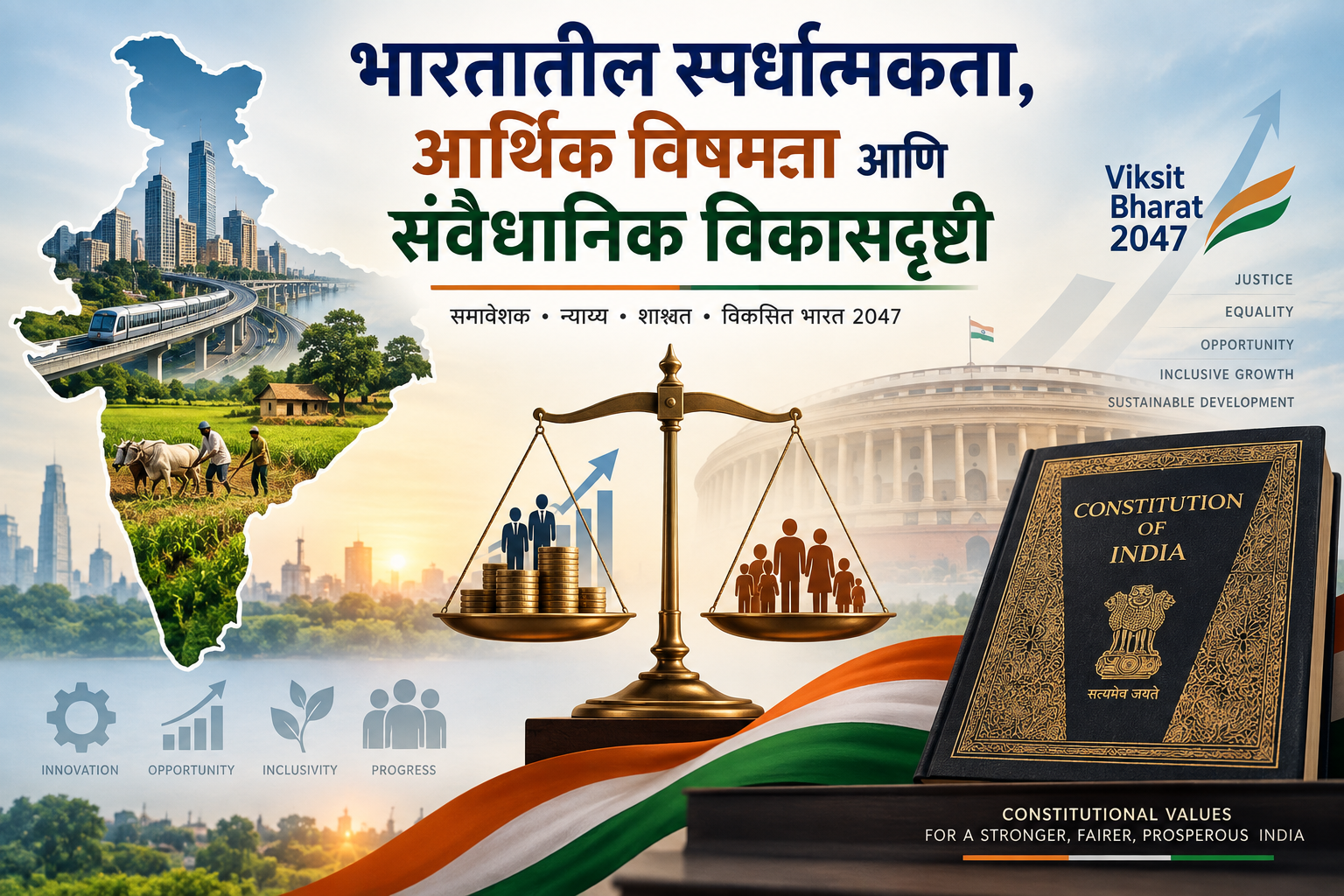
Research Article भारतातील स्पर्धात्मकता, आर्थिक विषमता आणि संवैधानिक विकासदृष्टी
Preview Abstract

भारतातील आर्थिक विकासाच्या प्रक्रियेत स्पर्धात्मकता आणि आर्थिक विषमता या परस्परावलंबी संकल्पनांचा अभ्यास या संशोधनात करण्यात आला आहे. भारताने गेल्या तीन दशकांत उच्च आर्थिक वृद्धी, डिजिटल परिवर्तन, पायाभूत सुविधांचा विस्तार आणि जागतिक स्पर्धात्मकतेमध्ये उल्लेखनीय प्रगती साधली असली तरी उत्पन्न, संपत्ती, शिक्षण, आरोग्य आणि रोजगाराच्या संधींमधील विषमता कायम आहे. या संशोधनाचा उद्देश Institute for Competitiveness द्वारे प्रकाशित State of Inequality in India Report (2022) आणि State of Competitiveness in India Report (2026) यांचे तुलनात्मक व चिकित्सक विश्लेषण करून स्पर्धात्मकता आणि विषमता यांतील परस्परसंबंधाचा अभ्यास करणे हा आहे. अभ्यासातून असे निदर्शनास आले की उत्पादकता, नवोन्मेष, मानवी भांडवल आणि पायाभूत सुविधांमधील प्रगती भारताच्या स्पर्धात्मकतेस बळकटी देत असली तरी सामाजिक व आर्थिक विषमता दीर्घकालीन स्पर्धात्मकतेस मर्यादा निर्माण करते. भारतीय संविधानातील कलम 38 आणि कलम 39 सामाजिक न्याय, संधींची समानता आणि संसाधनांच्या न्याय्य वितरणाद्वारे समावेशक व शाश्वत स्पर्धात्मकतेस घटनात्मक अधिष्ठान प्रदान करतात.

Keywords: स्पर्धात्मकता, आर्थिक विषमता, समावेशक विकास, मानवी भांडवल, भारतीय संविधान, कलम 38, कलम 39, विकसित भारत 2047

Article Thumbnail
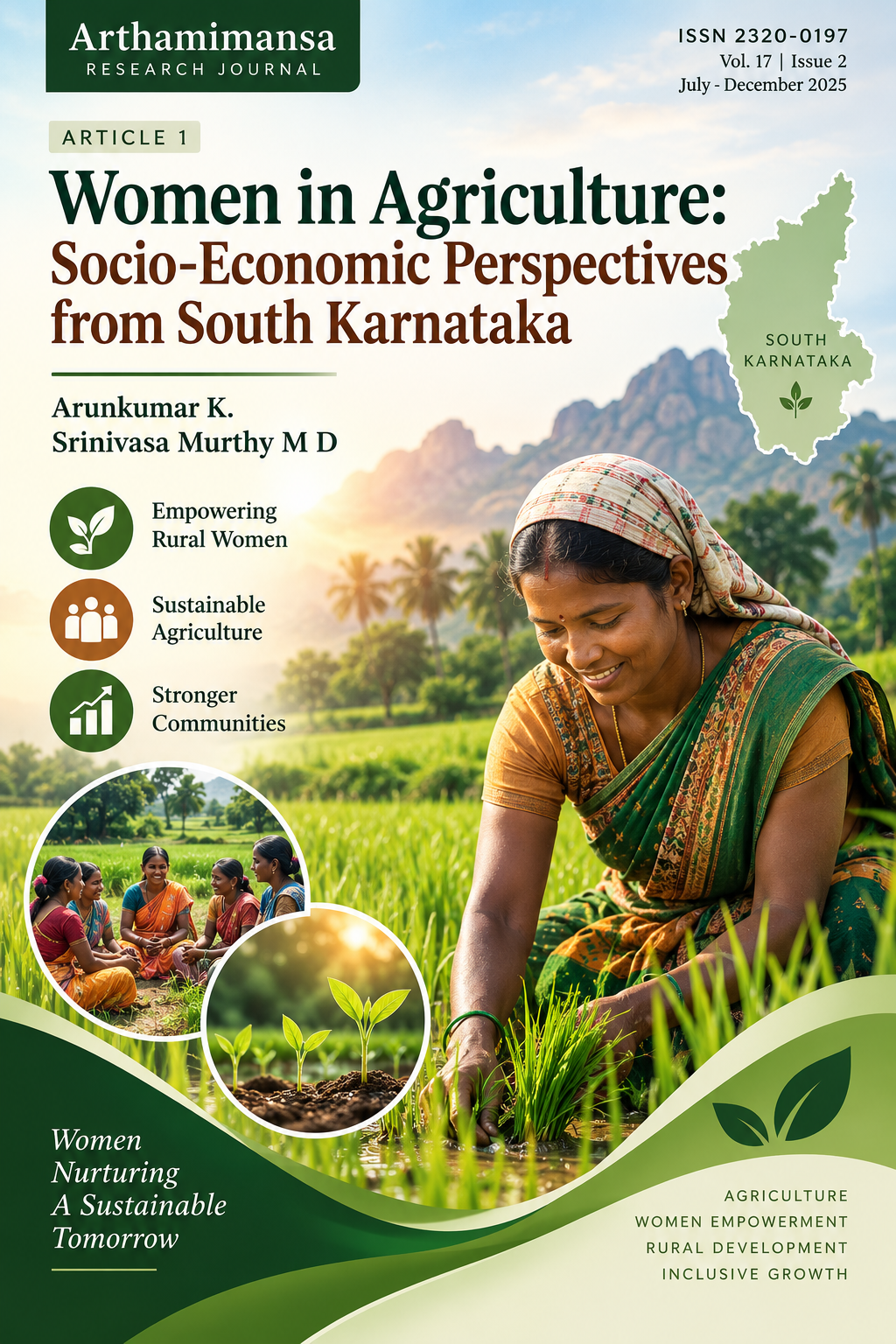
Research Article Women in Agriculture: Socio-Economic Perspectives from South Karnataka
Preview Abstract

The study focuses on the challenges faced by women in agriculture, including educational backwardness, poverty, deprivation, ill-health, and lack of opportunities for economic, political, and social development. The study highlights the potential of women in agriculture and the need for their recognition as progressive farmers. The research methodology includes a survey of 150 female agriculturalists in South Karnataka, and the results show a significant relationship between the selected districts and the level of social recognition received by female agriculturalists. The study concludes that the socio-economic development of women agriculturalists has not reached a certain level, and there is a need for policies and programs to address the challenges faced by women in agriculture. Overall, this study provides valuable insights into the role of women in agriculture and the importance of their recognition and support for rural development.

Keywords: Socio-economic status, Female Agriculturalists, South Karnataka, Rural Women

Article Thumbnail
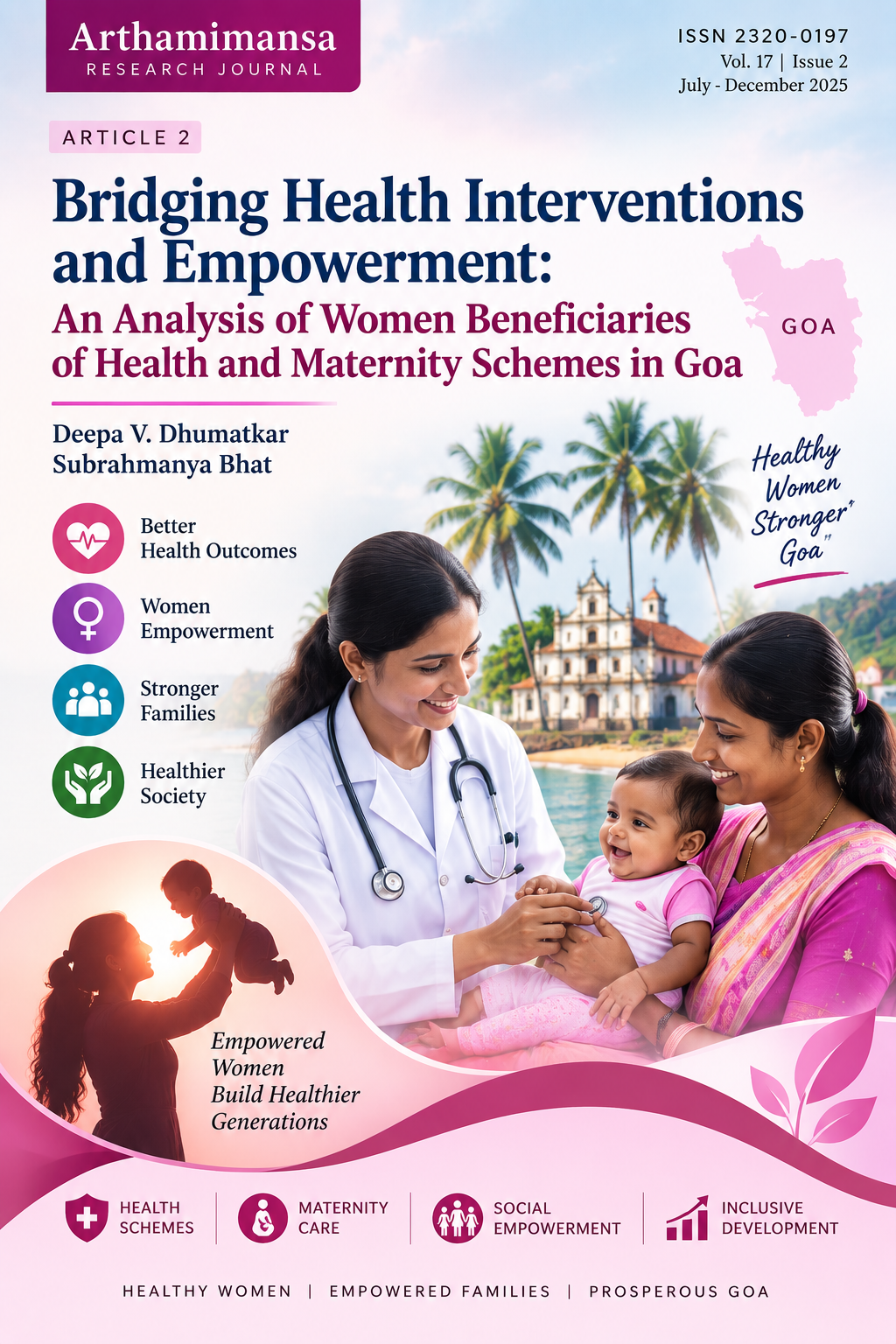
Research Article Bridging Health Interventions and Empowerment: An Analysis of Women Beneficiaries of Health and Maternity Schemes in Goa
Preview Abstract

Empowerment of women is considered important for building a knowledge-driven society, as it significantly contributes to the well-being of individual families and has a positive impact on society and the nation at large. The study explores the effect of health and maternity schemes on the social empowerment of women beneficiaries in the State of Goa. It assesses how the government initiatives bring about positive changes in the decision-making, personal independence, social status and security of women beneficiaries. An empirical approach was adopted and a sample size of 300 women beneficiaries was considered using the stratified and snowball sampling methods. Partial Least Squares-Structural Equation Modelling (PLS-SEM) using Smart PLS 4 were adopted for data analysis to identify the relationship between health schemes and social empowerment leading to overall women empowerment. The findings highlight that women beneficiaries have improved health outcomes along with greater confidence, autonomy and recognition in society, especially the marginalised. The need for continued strategy support and targeted outreach to maximise the empowering potential of health schemes among women, to bring about inclusive development, growth and gender parity in regional contexts is emphasised in the study.

Keywords: Decision-Making, Health and Maternity Schemes, Social Empowerment, Social Status and Security, Women Empowerment

Article Thumbnail
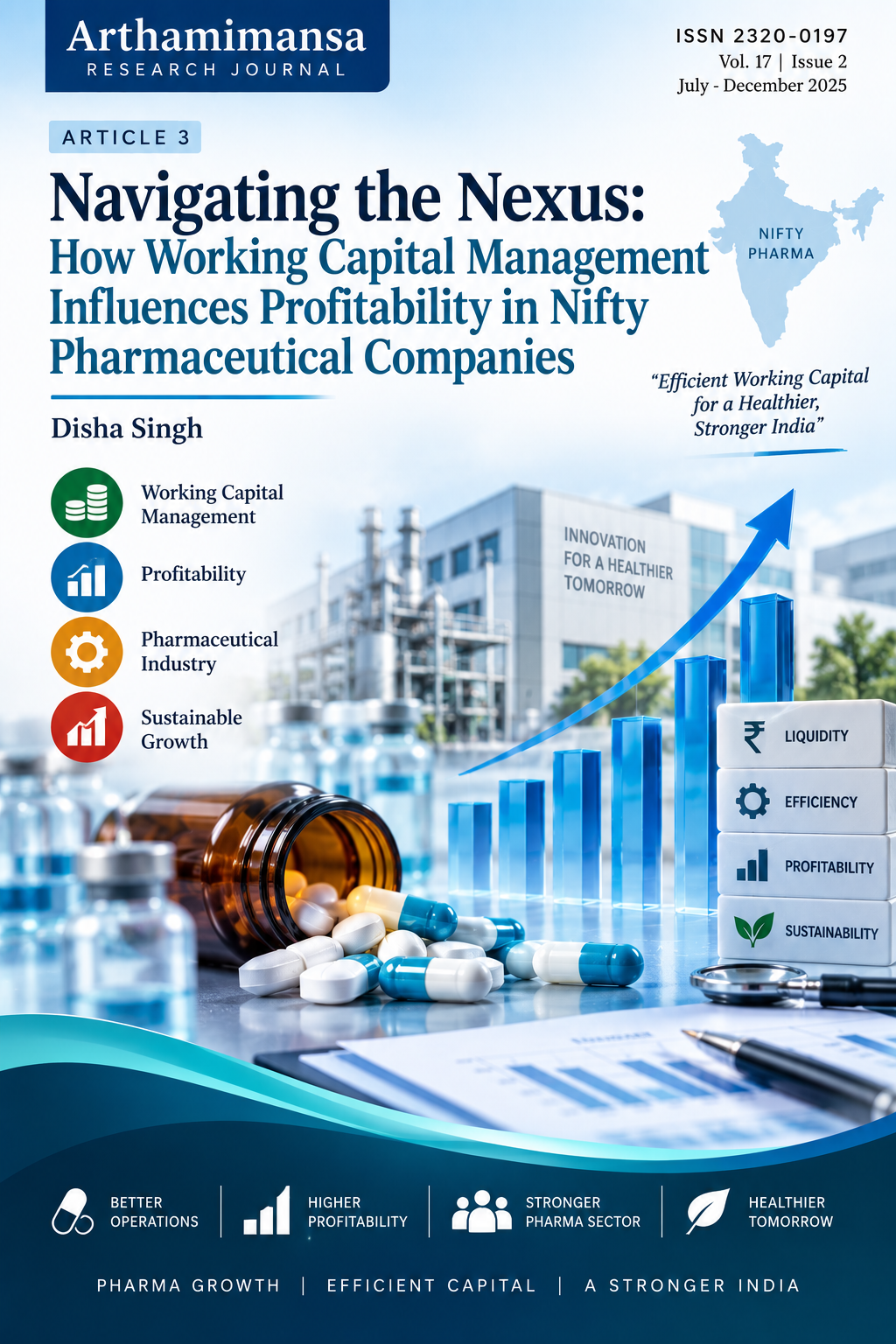
Research Article Navigating the Nexus: How Working Capital Management Influences Profitability in Nifty Pharmaceutical Companies
Preview Abstract

Effective working capital management is a key driver in shaping a company's financial performance and profitability. It focuses on managing short-term assets and liabilities to ensure that a business has enough cash flow to cover its immediate commitments and operational demands. The purpose of this study is to assess the relationship between working capital management and the profitability of pharmaceutical companies in India. For the empirical analysis, data from 20 pharmaceutical companies listed in Nifty Pharma were considered spanning a decade i.e, 2014-15 to 2023-24. The results are estimated using a multivariate panel data regression technique. The analysis was conducted using pooled ordinary least squares (POLS). To validate the results of the POLS approach, a post-estimation Breusch-Pagan Lagrange Multiplier test was employed, which ultimately led to the rejection of the null hypothesis. Additionally, the research analyzed the suitability of the fixed effects model versus the random effects model through the Hausman test. The study indicates that the random effects model is better suited than the fixed effects model.

Keywords: Breusch-Pagan, Hausman Test, Panel data, Profitability, Random effect model, Working Capital Management

Article Thumbnail
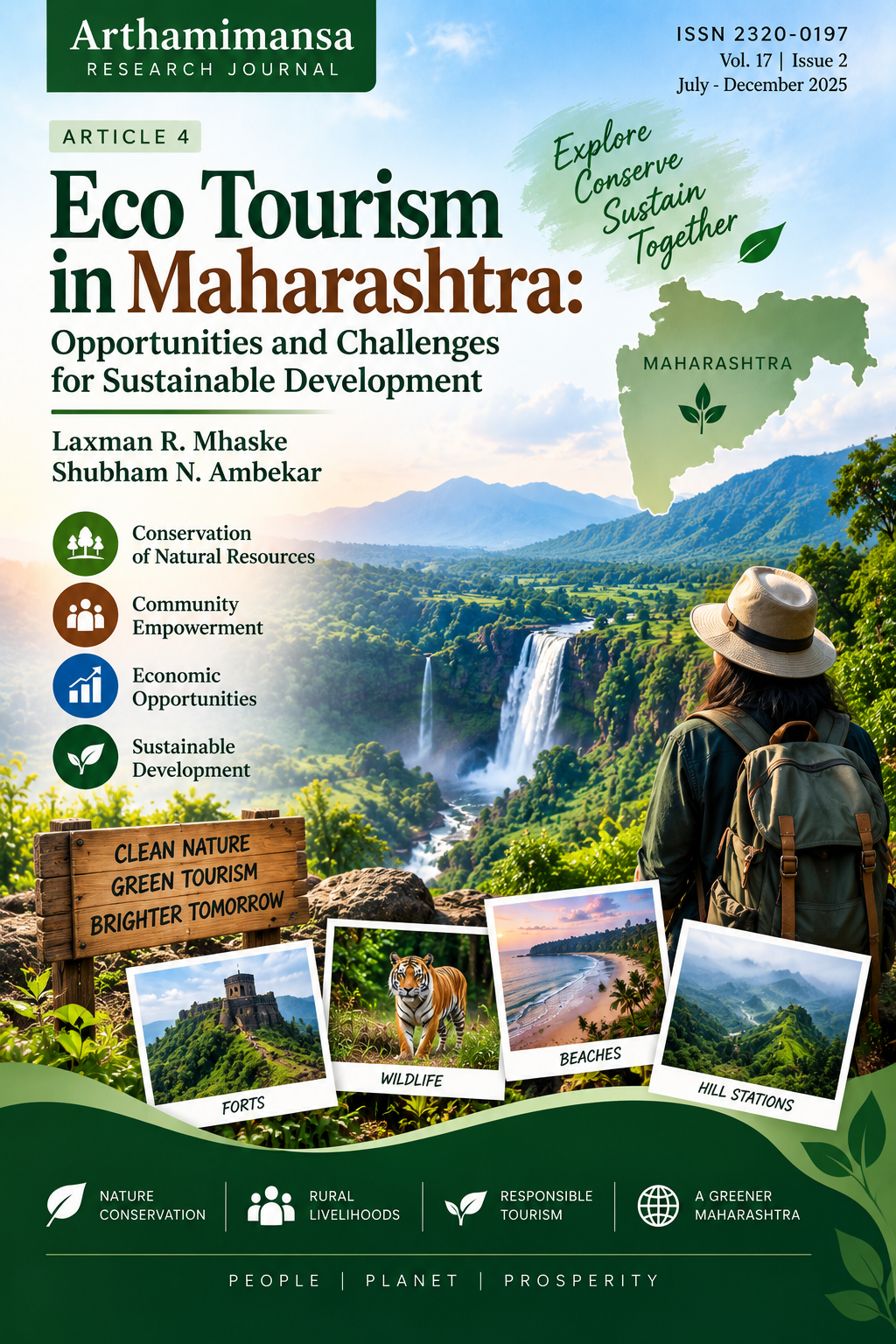
Research Article Eco Tourism in Maharashtra: Opportunities and Challenges for Sustainable Development
Preview Abstract

Eco tourism in Maharashtra has become a potent tool of sustainable development through unity of conservation of the environment, economic development and social welfare. The variety of ecosystems and the high cultural heritage of the state provide a lot of potential to develop ecotourism. The results indicate that eco tourism facilitates the creation of employment opportunities, rural development and conservation finance besides increasing environmental awareness of local people. Nevertheless, overtourism, inadequate infrastructure, environmental degradation, and poor stakeholder coordination among others are some complications in ways of having sustainable improvements. Policies by the government and involvement by the community play a pivotal role in tackling such issues and enhancing the management practices. It concludes that ecotourism, when done with the right mindset, may be an important instrument in preserving the natural resources and the realization of the sustainable development agendas in Maharashtra.

Keywords: Eco tourism, Sustainable development, Biodiversity conservation, Community empowerment

Article Thumbnail
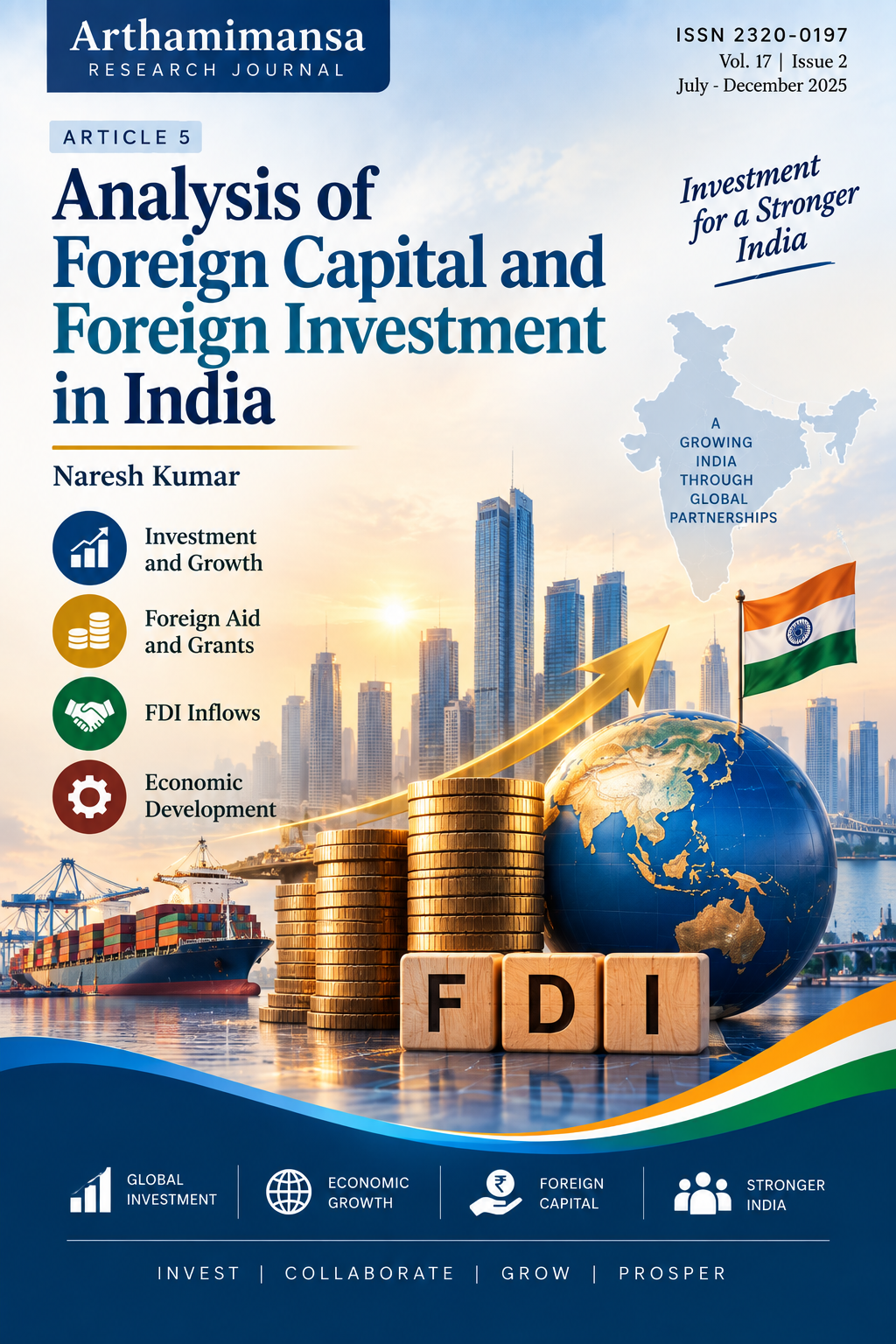
Research Article Analysis of Foreign Capital and Foreign Investment in India
Preview Abstract

India made use of foreign investment after attaining independence in order to promote economic expansion and strengthen its balance of payments. It takes several forms, such as foreign investments, commercial borrowings and foreign aid. The level of total investment is increased and is complemented by FDI. It facilitates the efficient use of natural resources and enhances managerial and entrepreneurial skills. Market interest rates, which are higher than those for concessional loans classified as foreign aid are paid to foreign banks for commercial borrowings. From Rs. 897,744 crores in 2013-14 to Rs. 1,816,834 crores in 2022-23, the total amount of commercial borrowings has grown consistently, indicating a strong expansion in borrowing activity. India's foreign aid receipts have fluctuated significantly, peaking in 2020-21 with concessional loans. Over the years, FDI inflows have typically increased; the largest influx, of Rs. 396,955 crores, was reported in 2019-20. India's economic growth, industrialization, infrastructural development and general standard of living have all been greatly aided by foreign investment.

Keywords: Investment, Growth, Foreign Aid, Grants, Loans

Article Thumbnail
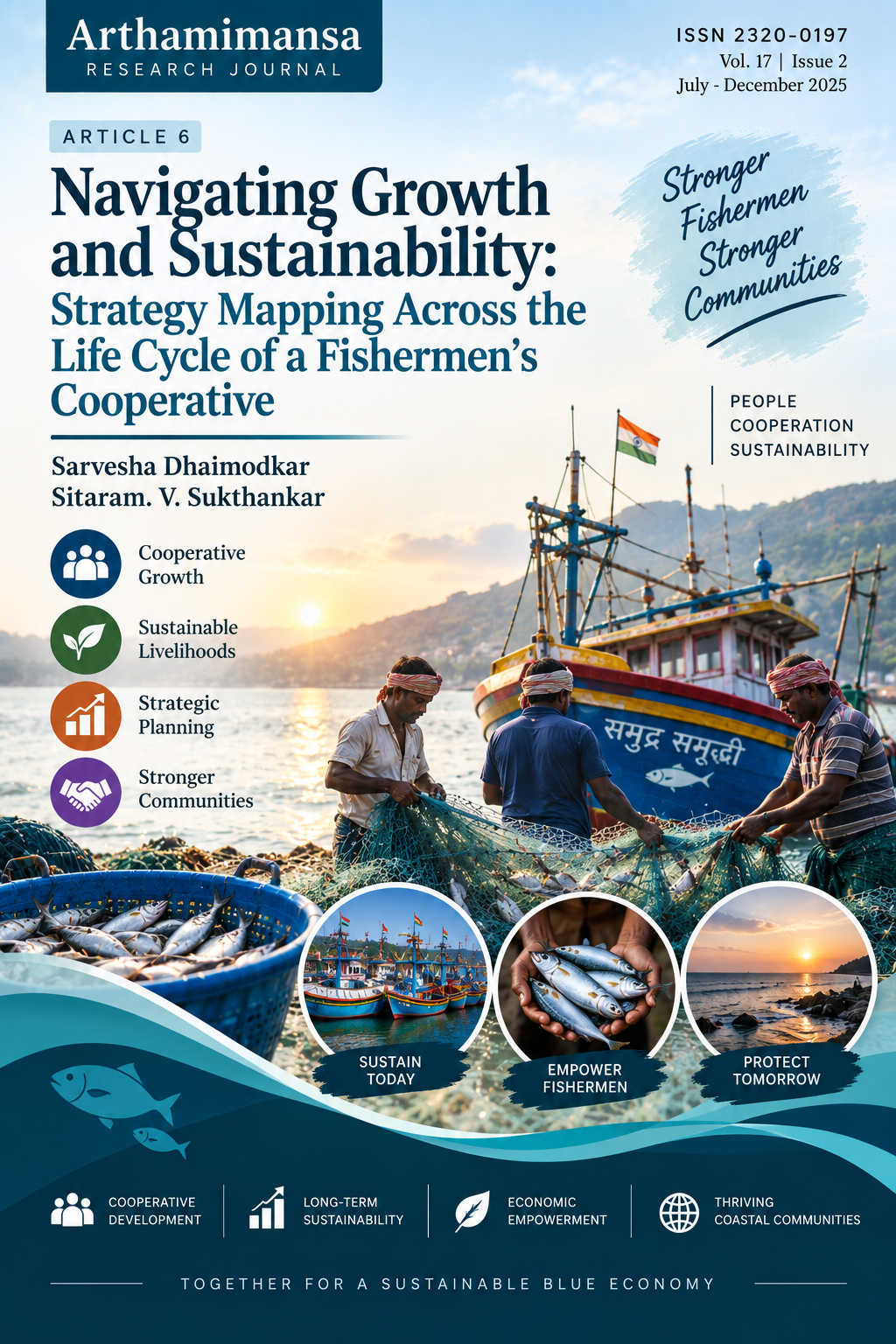
Research Article Navigating Growth and Sustainability: Strategy Mapping Across the Life Cycle of a Fishermen's Cooperative
Preview Abstract

This study maps strategies adopted by a fishermen's marketing cooperative to sustain and grow across its life cycle stages. It employs an exploratory case study aligned with Cook and Burress's (2009) lifecycle framework, using in-depth interviews, documents, observations, and informal discussions as data sources. Findings show that each phase presents distinct challenges that can be addressed through timely, stage-appropriate strategic choices. The study highlights the importance of a robust financial foundation and complementary activities, such as retailing and banking, providing a practical framework for cooperative leaders—especially in developing countries to prevent stagnation and foster long-term success.

Keywords: Cooperative lifecycle, Marketing Cooperative Society, Strategy mapping, Cook and Burress lifecycle framework

Article Thumbnail
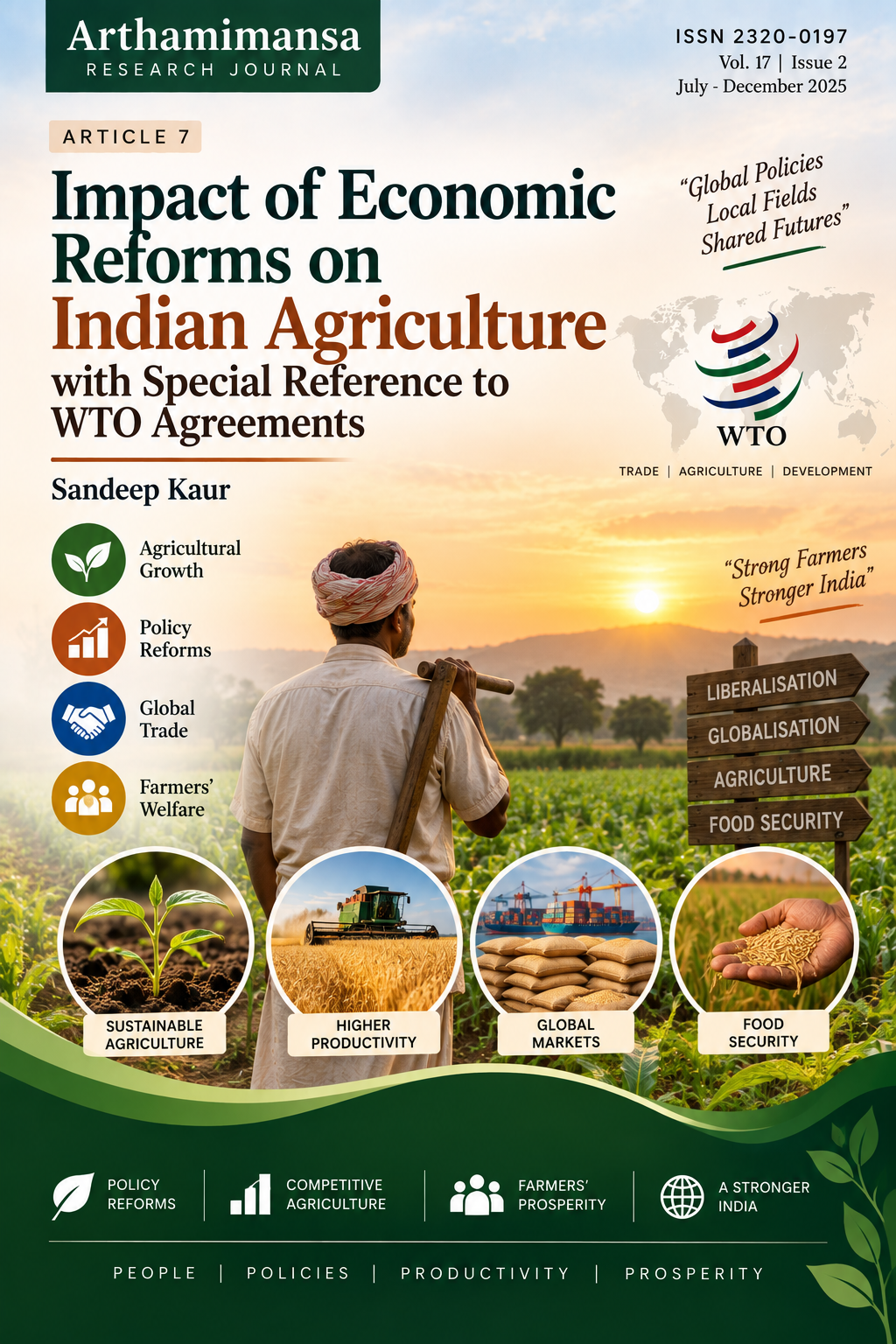
Research Article Impact of Economic Reforms on Indian Agriculture with Special Reference to WTO Agreements
Preview Abstract

It was presumed that the new economic reforms adopted in 1991 would benefit tradable agriculture and also by improving the terms of trade in its favour. But it was ironic that trade liberalisation and macroeconomic policy framework had not been able to bring any significant growth in the agriculture sector. Although WTO brings new opportunities and challenges for the member countries through trade liberalisation in the agriculture sector, in the case of India, it had created more challenges for the farmers than opportunities. The present study aims to address how WTO agreements have adversely impacted Indian agriculture. The study endeavours to quantify the variables related to globalization. A composite index of agrarian crisis has been created to check the impact of different implications of WTO agreements on agrarian crisis. Results of regression analysis found that domestic to international prices ratio and total subsidies have a significant impact on Indian agriculture. No study has constructed an index of agrarian crisis and used it as the dependent variable in regression analysis which has been done in the present study.

Keywords: Composite Index, Principal Component Analysis, Profitability, Productivity, Competitiveness, Tariff Rate, Domestic Support