Arthamimansa – Research Journal
Welcome to Arthamimansa Research Journal

Research Journal of Vidarbha Arthashastra Parishad

Included in earlier published UGC CARE Journals (Group-1) List

Research Articles
Browse peer-reviewed research publications
Article Thumbnail
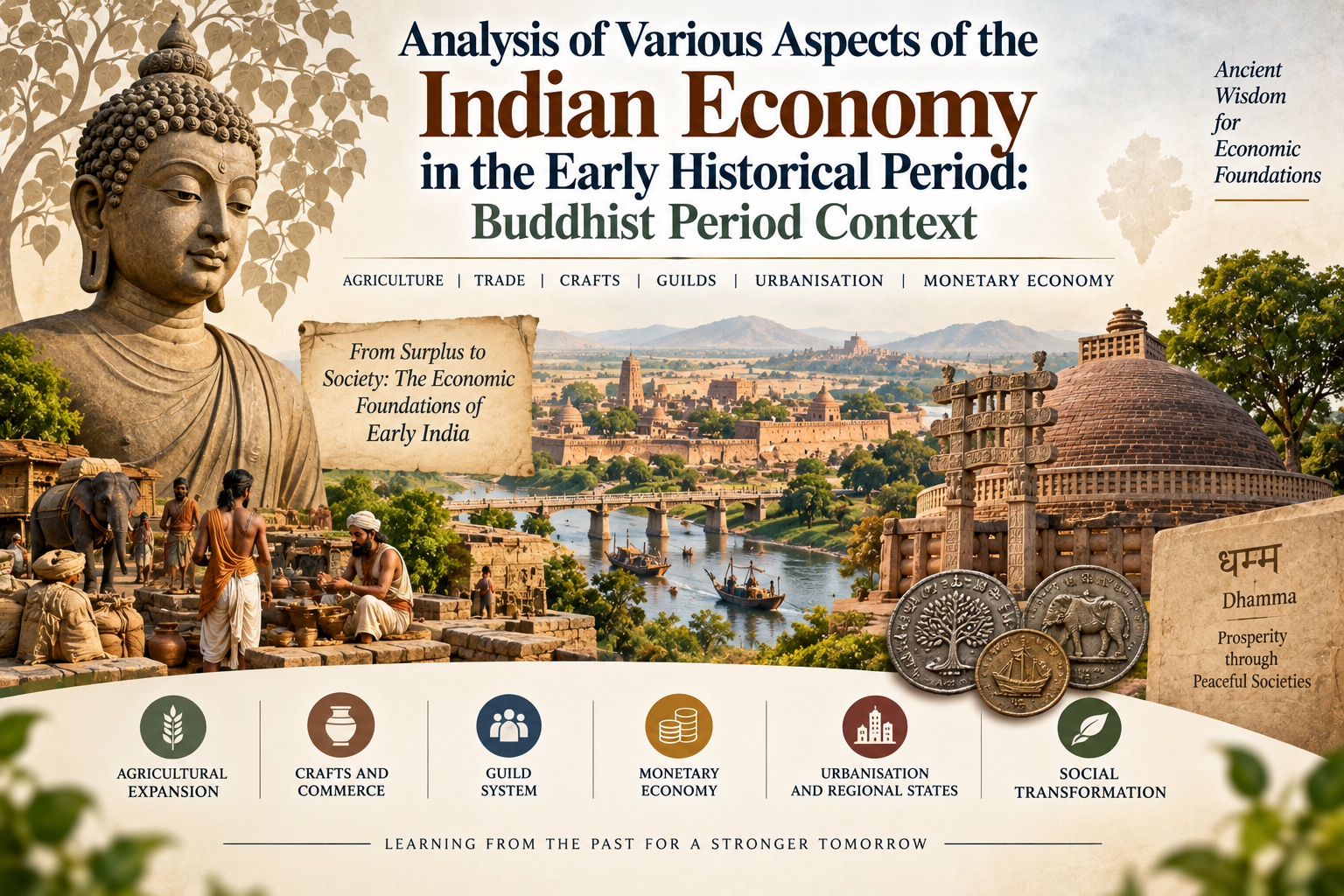
Research Article Analysis of Various Aspects of the Indian Economy in the Early Historical Period: Buddhist Period Context
Preview Abstract

This paper analyses various aspects of the Indian economy during the early historical period, particularly from the sixth century BCE to the third century BCE in the Buddhist period. During this period, the centre of major economic activity shifted towards the Gangetic plains. Agricultural expansion, surplus production, development of crafts and commerce, the emergence of guilds and the beginning of a monetary economy played important roles in economic transformation. Increased surplus production created favourable conditions for urbanization and the emergence of regional states. The development of a complex agricultural and socially stratified society also resulted in social inequalities. The emergence of a monetary economy facilitated exchange and brought qualitative changes in commercial activities.

Keywords: Agricultural Expansion, Surplus Production, Crafts and Commerce, Guild System, Monetary Economy, Urbanization, Buddhist Period
Article Thumbnail
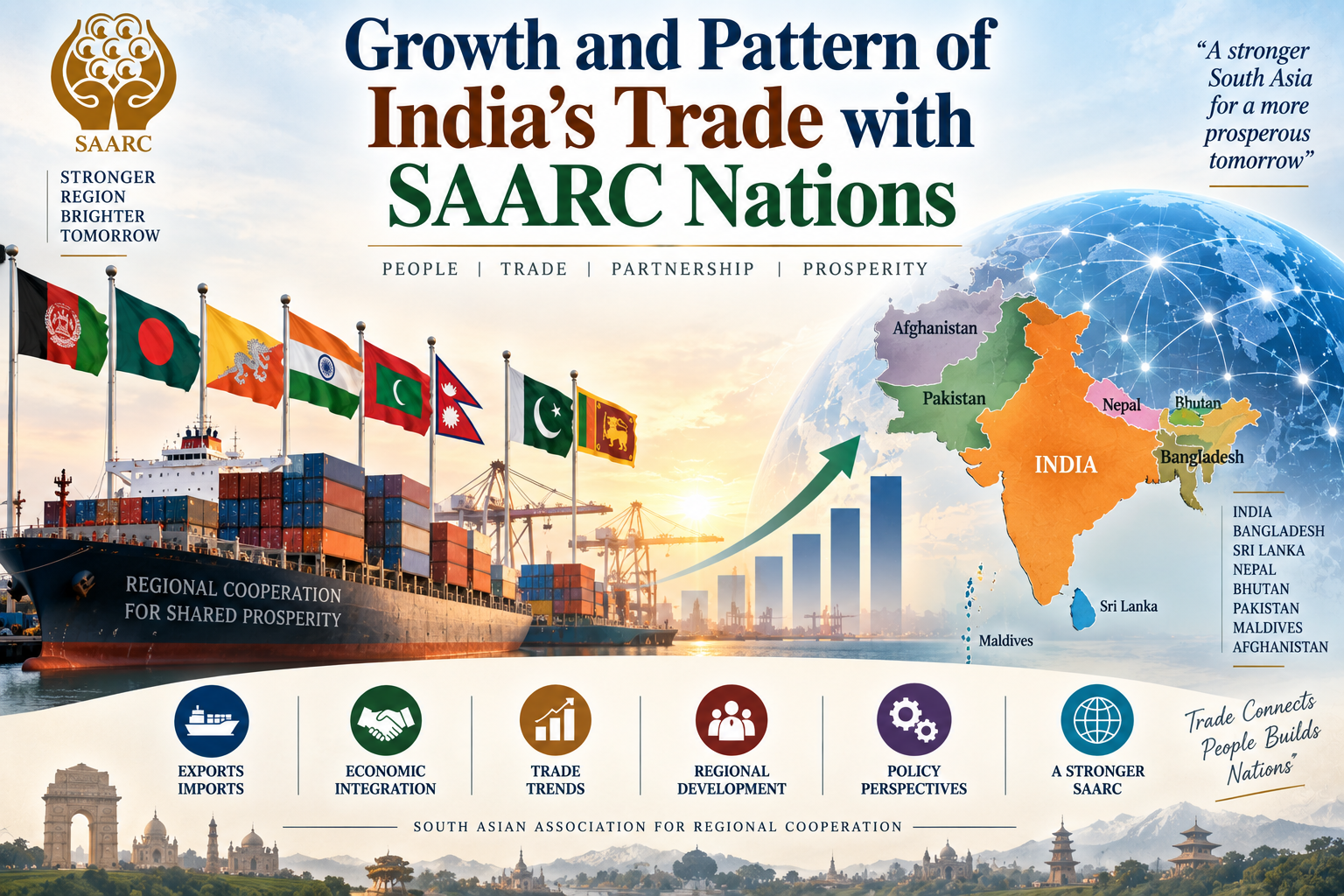
Research Article Growth and Pattern of India's Trade with SAARC Nations
Preview Abstract

India is known as the world's largest democracy and an important strategic partner in the global economy. The South Asian Association for Regional Cooperation (SAARC) is an economic and geopolitical alliance consisting of eight South Asian countries: India, Bangladesh, Sri Lanka, Nepal, Bhutan, Pakistan, Maldives and Afghanistan. This paper analyses recent trends and variability in India's trade relationships with SAARC countries. It also examines the causal relationship between India's exports and the per capita income of Bangladesh, Sri Lanka and Nepal during the period 2010-11 to 2022-23. The study highlights the importance of regional trade and identifies challenges affecting intra-SAARC commerce, including transit facilities, illegal trade and border trade. It emphasizes the need for appropriate policies to strengthen regional integration and attract stable foreign investment.

Keywords: Integration, SAARC, Export, Geopolitical, Causal

Article Thumbnail
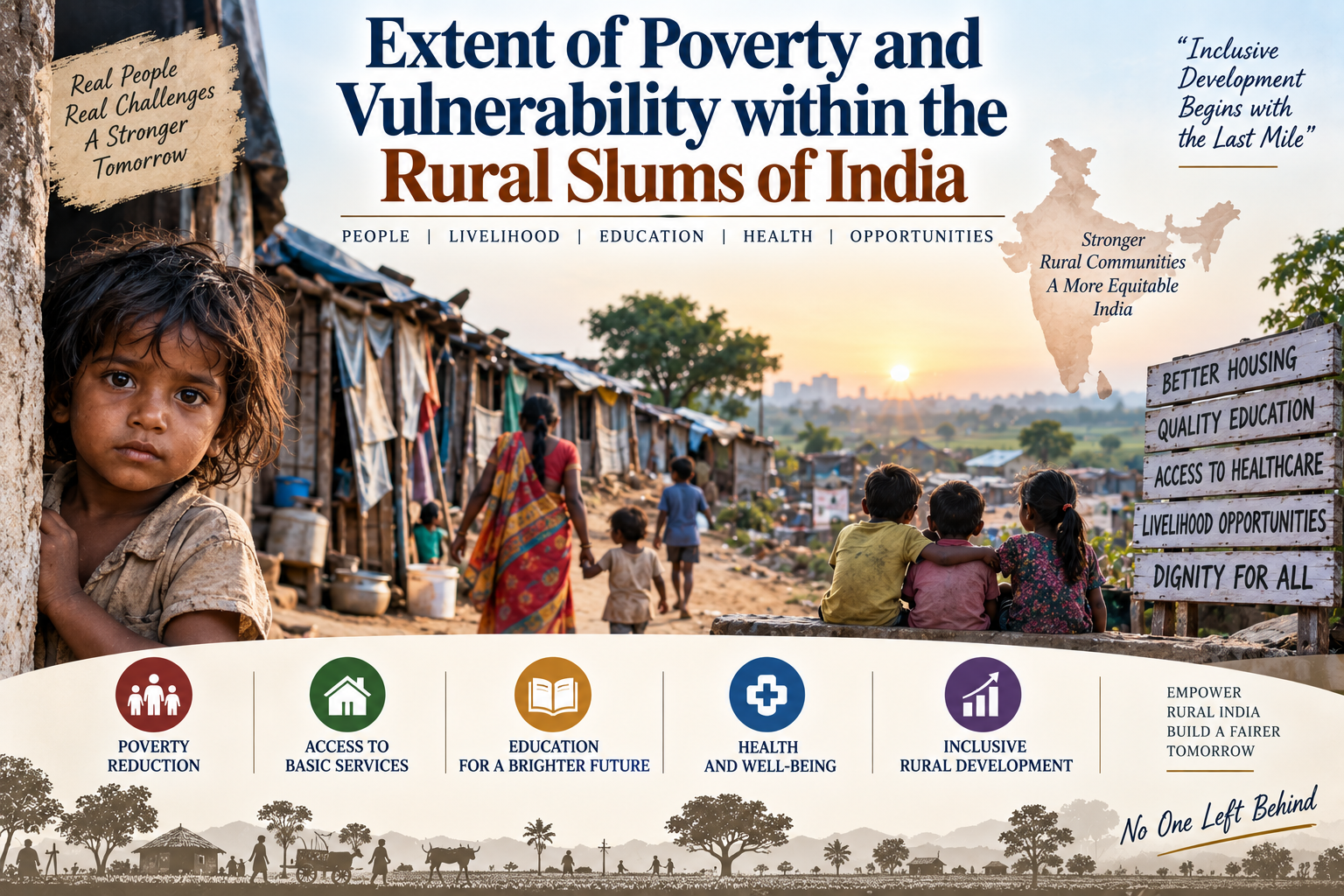
Research Article Extent of Poverty and Vulnerability within the Rural Slums of India
Preview Abstract

This paper estimates poverty and vulnerability among rural slums in India using NSSO 69th Round data. It examines indicators related to drinking water, sanitation, hygiene, housing conditions and socio-economic characteristics. The study finds that vulnerability is generally higher than poverty among rural slum households. Among the selected states, poverty and vulnerability are lowest in Delhi and highest in Chhattisgarh. The study also examines differences according to religion, social class, gender of the household head, family type and land holdings. Scheduled Tribe households show the highest poverty and vulnerability, followed by Scheduled Castes, while households with larger land holdings have lower poverty and vulnerability. The findings demonstrate the importance of socio-economic conditions and external shocks in determining household vulnerability.

Keywords: Poverty, Vulnerability, Land Holding, External Shock, Rural Slums, NSSO

Article Thumbnail
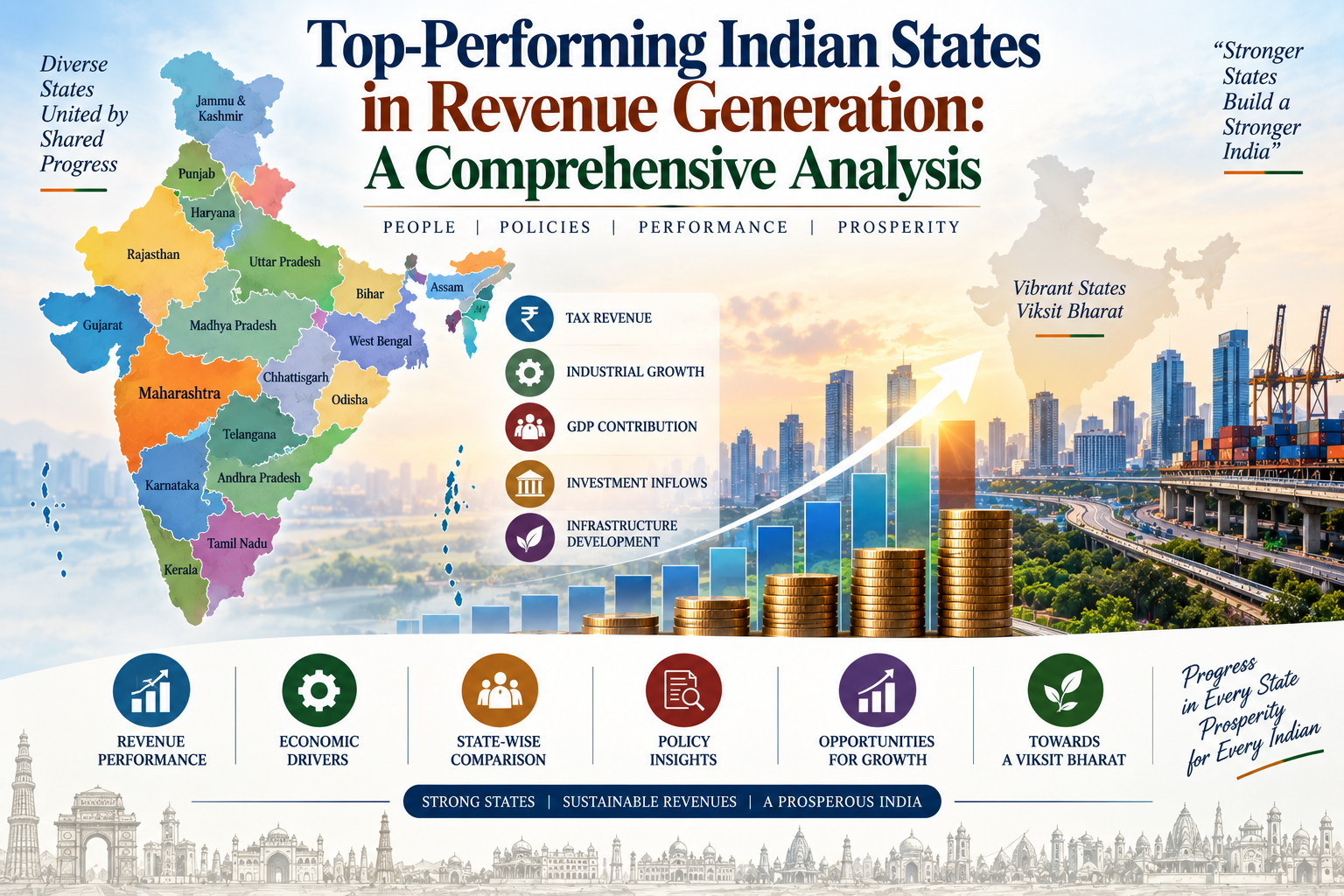
Research Article Top-Performing Indian States in Revenue Generation: A Comprehensive Analysis
Preview Abstract

India has one of the fastest-growing economies in the world and its states make significant contributions to the national economy. This study examines five major revenue-generating states—Maharashtra, Tamil Nadu, Uttar Pradesh, Karnataka and Gujarat—during the period from 2004 to 2022. Revenue performance is assessed using the improvement index formula developed by Morris and Alpine in 1982. Revenue performance is derived from own tax revenue, non-tax revenue, the share in central taxes and grants-in-aid from the central government. Uttar Pradesh emerged as the state with the highest revenue generation. Revenue growth was observed in Tamil Nadu, Maharashtra and Karnataka between 2004-05 and 2019-20, while the COVID-19 pandemic caused a significant decline during 2020-21. The study recommends greater attention to tax and non-tax revenue sources to improve state revenue performance.

Keywords: Revenue Efficiency, State Own Tax Revenue, State Own Non-Tax Revenue, Ranking

Article Thumbnail
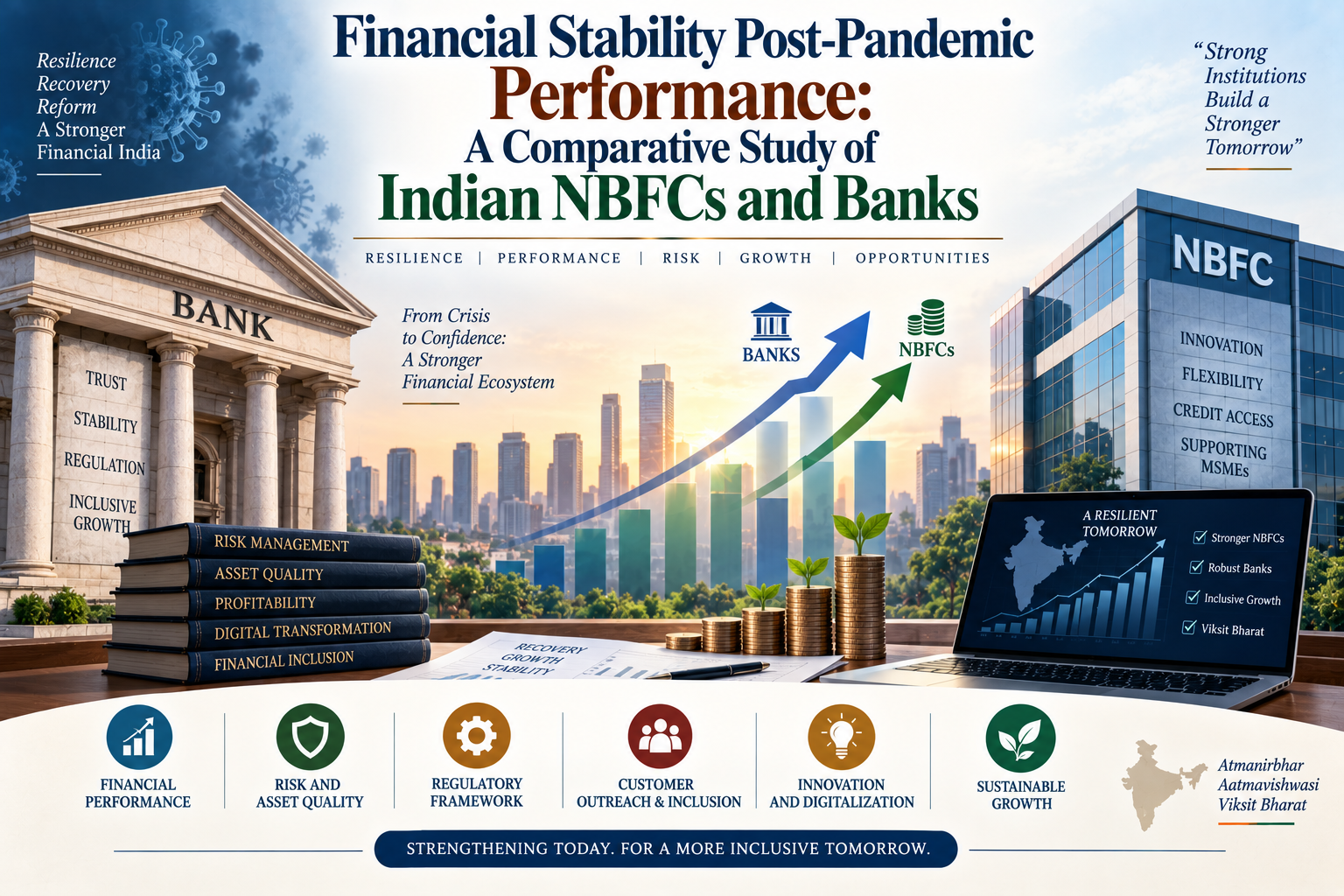
Research Article Financial Stability Post-Pandemic Performance: A Comparative Study of Indian NBFCs and Banks
Preview Abstract

This study examines the post-COVID financial performance of Non-Banking Financial Companies (NBFCs), focusing on aggregate deposit trends in comparison with Scheduled Commercial Banks. Three prominent NBFCs are analysed over a five-year period using key financial performance indicators. The study examines Profit Before Tax (PBT), Return on Assets (ROA) and Return on Equity (ROE). Statistical analysis using Analysis of Variance (ANOVA) identifies significant differences in performance across the years. The findings indicate strong post-pandemic recovery, growing deposits and favourable financial indicators among the selected NBFCs. The study highlights the resilience and adaptability of NBFCs following the COVID-19 shock.

Keywords: Financial Performance, NBFCs, Commercial Banks, ROA, ROE, PBT

Article Thumbnail
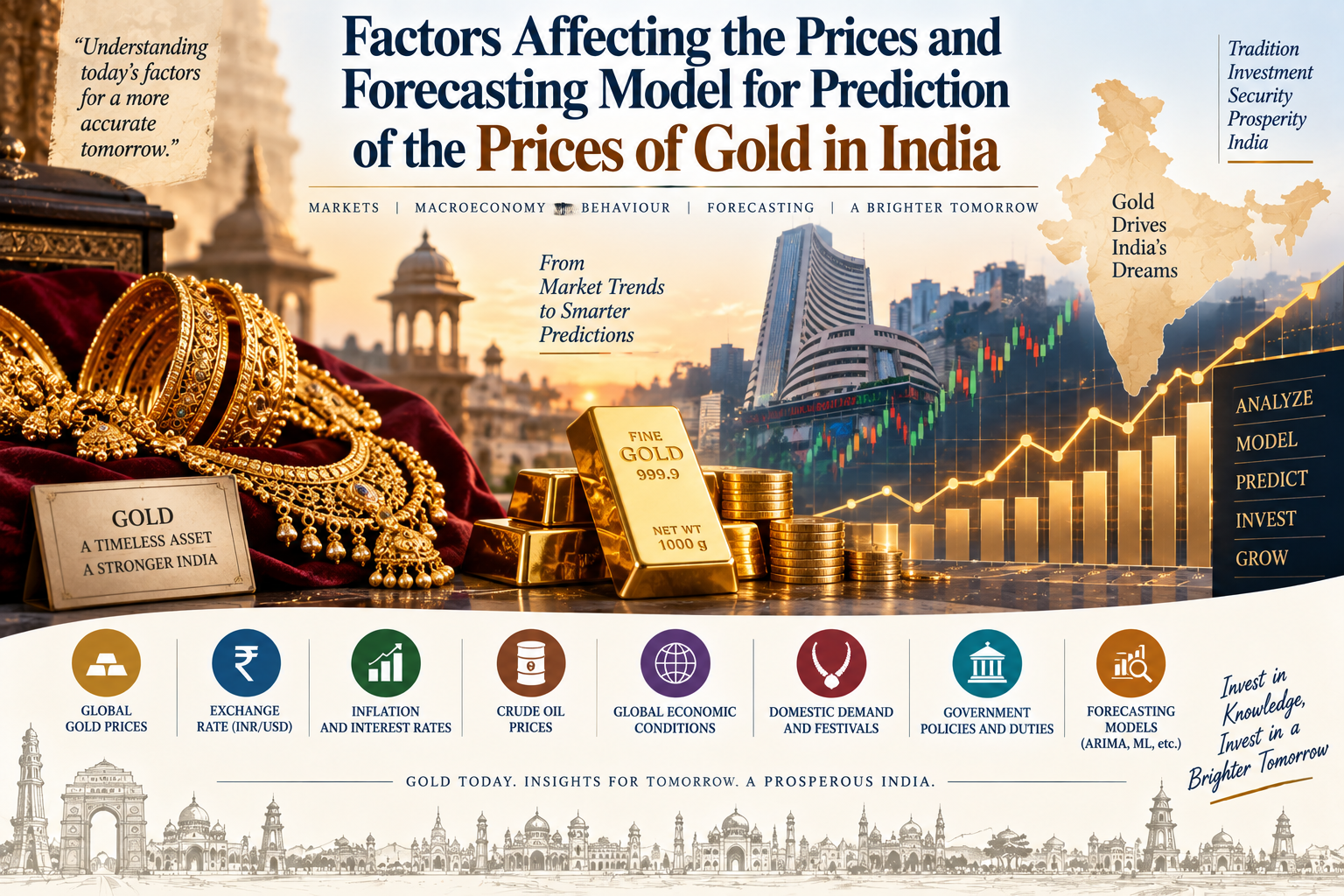
Research Article Factors Affecting the Prices and Forecasting Model for Prediction of the Prices of Gold in India
Preview Abstract

This study aims to examine the factors that influence gold prices in India and proposes a forecasting model for predicting future trends in gold pricing. Several variables affecting gold prices in the Indian market are identified. Multiple regression and the Coefficient of Determination (R²) are used to understand the impact of exchange rates, inflation rates, crude oil prices and interest rates on gold prices. The dataset was transformed to ensure stationarity, and lag values were examined using Autocorrelation Function (ACF) and Partial Autocorrelation Function (PACF) plots. Forecasting accuracy was evaluated using MAPE, BIC, MAE and R². The study concludes that the ARIMA model provides the most accurate forecasts for gold prices.

Keywords: Forecasting Model, Prediction, Gold Price, Coefficient of Determination, Autocorrelation Plot, Partial Autocorrelation Plot

Article Thumbnail
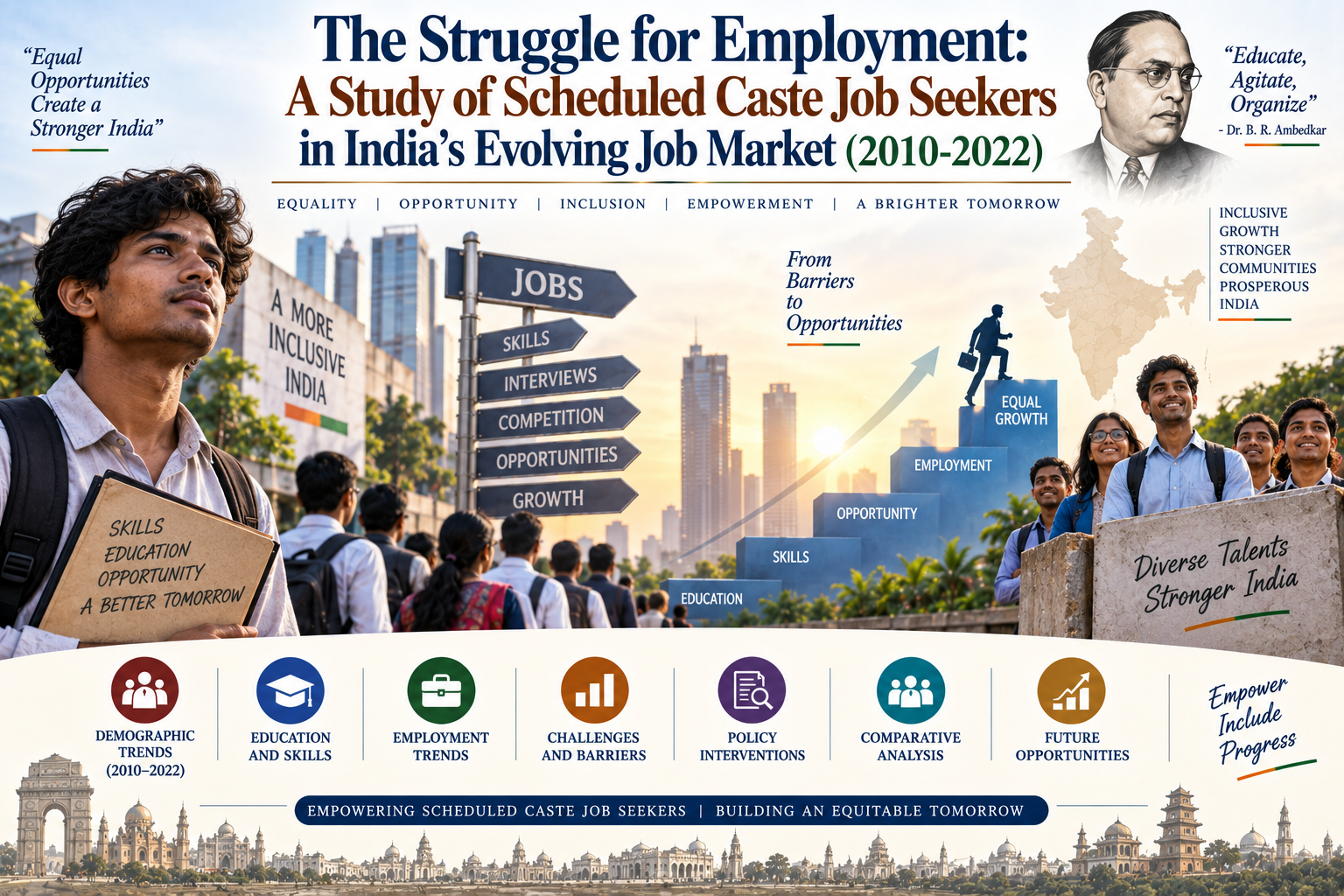
Research Article The Struggle for Employment: A Study of Scheduled Caste Job Seekers in India's Evolving Job Market (2010-2022)
Preview Abstract

This paper examines the evolving employment landscape in India from both national and international perspectives. It highlights the persistent mismatch between population growth and employment expansion despite significant developmental efforts. Analysis of Employment Exchange data from 2010 to 2022 reveals fluctuating registration and placement trends among Scheduled Caste jobseekers, with a steady increase in the live register but consistently low placement rates. The study also reviews organized sector employment, globalization and regional disparities. The findings emphasize the need for targeted employment interventions and effective economic policies to address persistent barriers faced by marginalized communities. International cooperation and strategic policy implementation are also important for enhancing employment opportunities and promoting equitable economic growth.

Keywords: Employment Landscape, Population Growth, Scheduled Caste Jobseekers, Globalization Impact, Economic Policies

Article Thumbnail
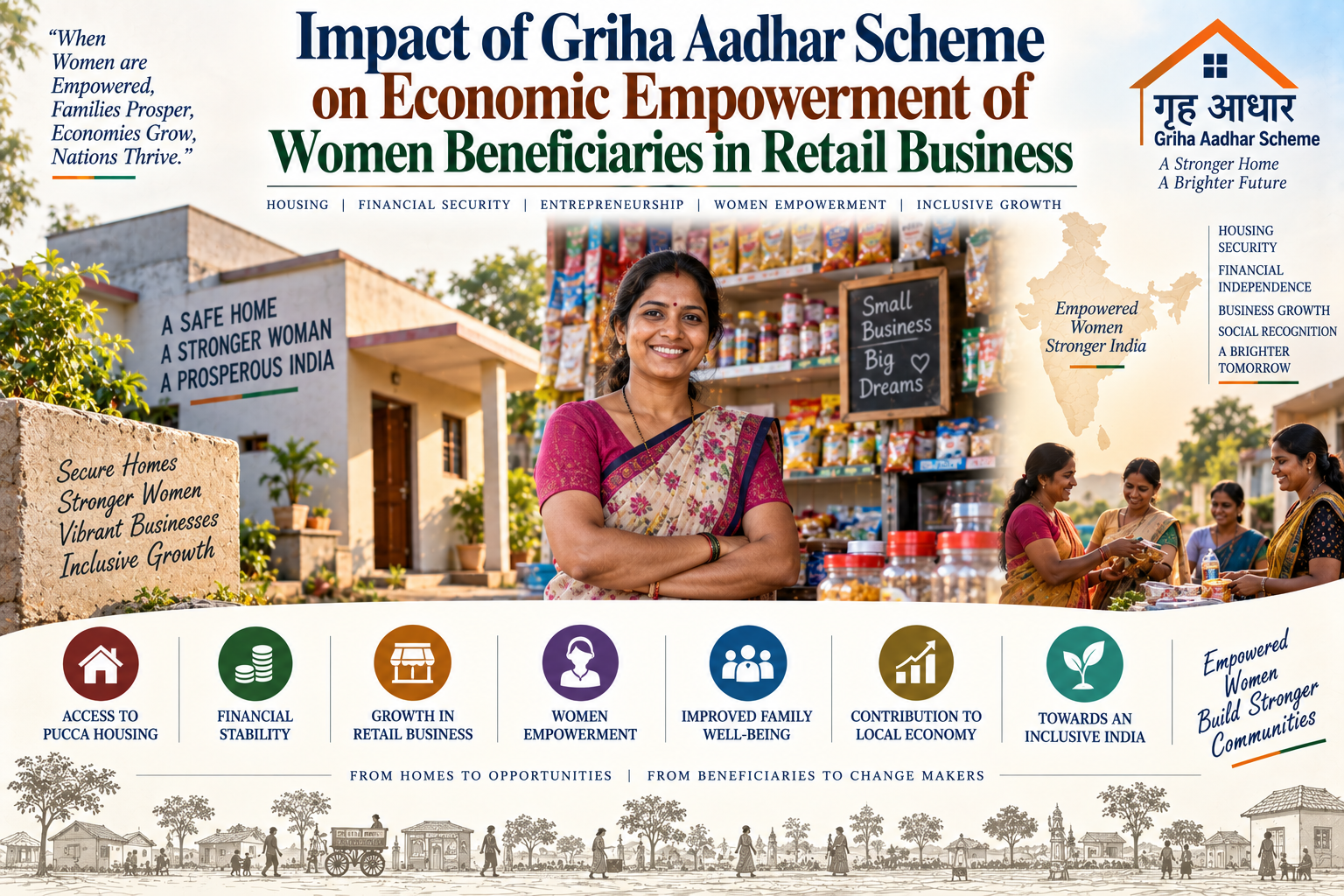
Research Article Impact of Griha Aadhar Scheme on Economic Empowerment of Women Beneficiaries in Retail Business
Preview Abstract

This study analyses the impact of the Griha Aadhar Scheme on the economic empowerment of women, the businesses started by women beneficiaries and the challenges they face in selling their products. A sample of 200 women from low-income groups was selected using convenient sampling and primary data was collected through a structured questionnaire. Chi-square and Karl Pearson coefficient correlation tests were used to test the hypotheses. The study found that a majority of women started catering businesses followed by tailoring. The major challenge faced by women was marketing their products because of limited networking and competition from large companies. The findings indicate that women beneficiaries were able to start their own retail businesses with financial assistance from the scheme and achieve self-sufficiency and economic empowerment on a small scale.

Keywords: Economic Empowerment, Financial Schemes, Griha Aadhar Scheme, Retail Business, Women Beneficiaries

Article Thumbnail
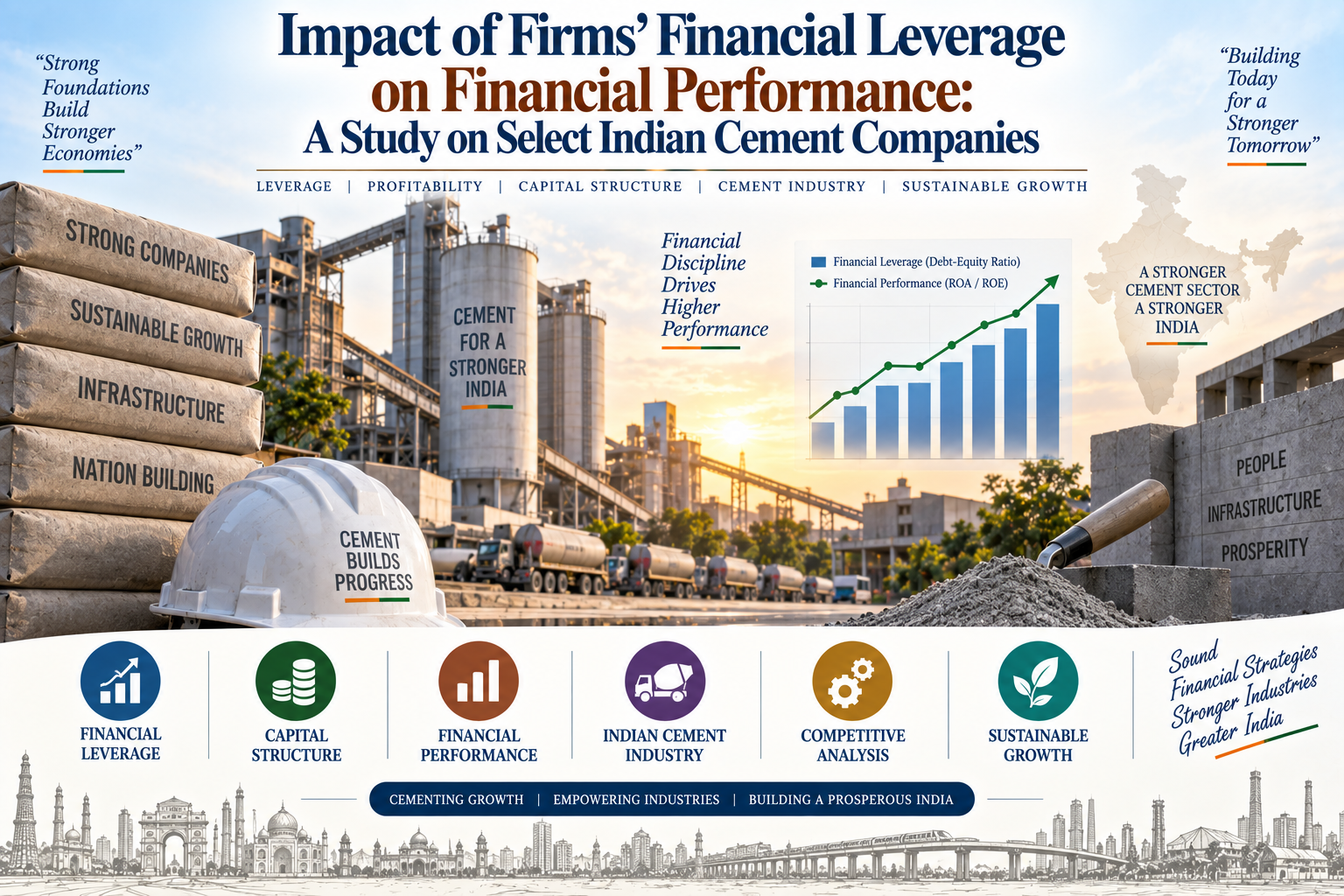
Research Article Impact of Firms' Financial Leverage on Financial Performance: A Study on Select Indian Cement Companies
Preview Abstract

India is the second-largest cement manufacturing nation in the world after China, and significant investment is made in the cement industry considering its future growth. This study examines the relationship between financial leverage and financial performance with particular reference to selected Indian cement companies. The degree of financial leverage (DFL) is considered the independent variable, while Return on Capital Employed (ROCE) is used as an indicator of financial performance. The study analyses five selected cement companies based on market capitalization over a five-year period. The results indicate a statistically significant negative association between the degree of financial leverage and financial performance.

Keywords: Return on Capital Employed, Leverage, Financial Ratios

Article Thumbnail
Research Article Policyholders Satisfaction Towards the Services Provided by The Life Insurance Companies
Preview Abstract

This study examines policyholders' satisfaction towards services provided by life insurance companies in the current competitive market environment. The study compares selected public and private life insurance companies, including LIC, Birla Sun Life, HDFC Life, ICICI Prudential, SBI Life, CANARA HSBC and Kotak Mahindra. Primary data was collected through questionnaires. The study found that the satisfaction level of policyholders of public life insurance companies was better than that of private life insurance companies. Factors such as benefits received, complaint resolution, customer support and agents' services were found to influence customer satisfaction. The study also examines communication, agent support and satisfaction with policy benefits and complaint resolution.

Keywords: Policyholders Satisfaction, Public Life Insurance Companies, Private Life Insurance Companies