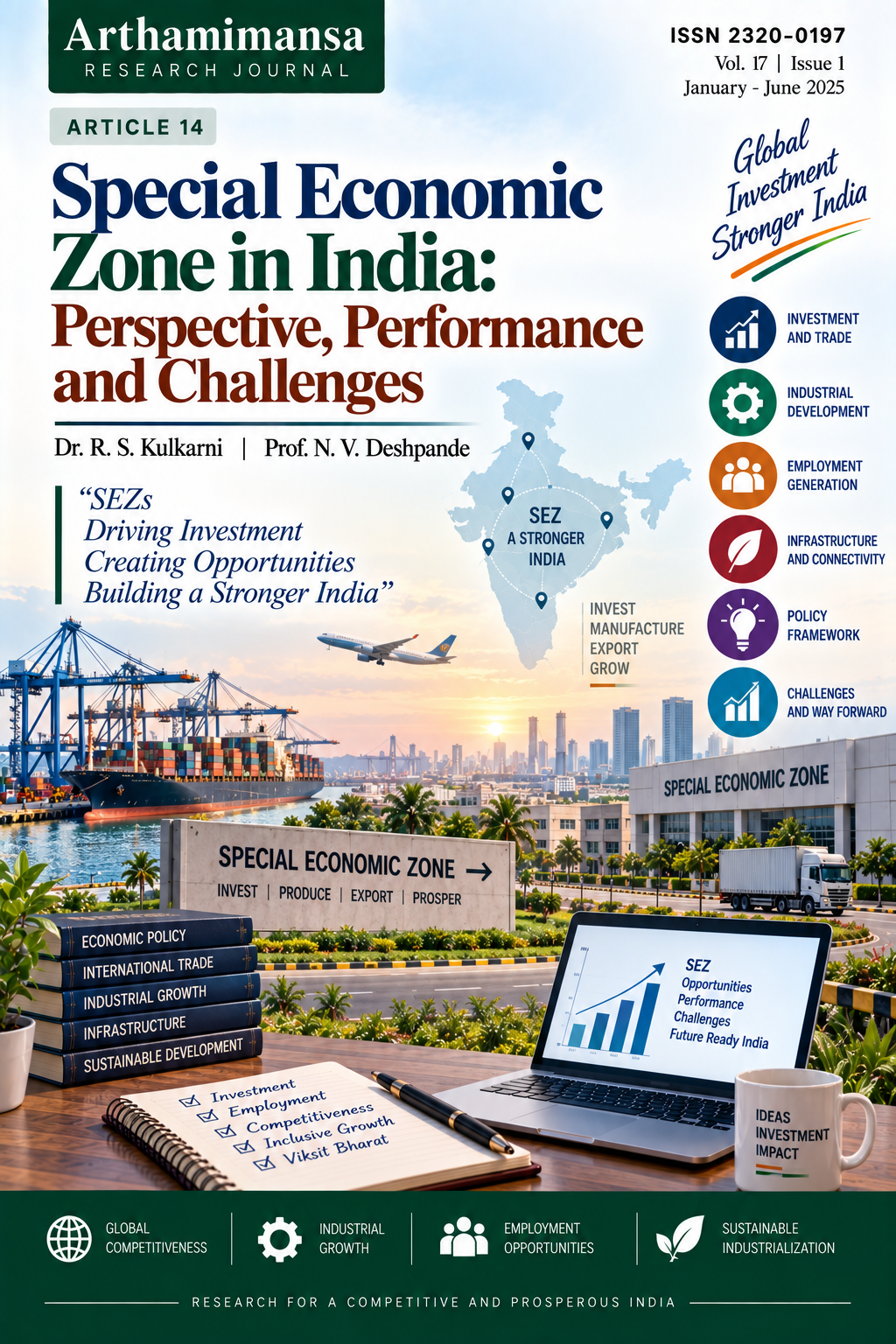
The Special Economic Zone Act of 2005 in India is a significant milestone in the country's industrialization history. The notion of Special Economic Zones (SEZs) is anticipated to yield substantial economic advantages and contribute to employment growth. This study examines the development of SEZ policy and performance, and pinpoints the obstacles that impact the effectiveness of SEZ policy. It includes land acquisitions issues, socio-economic impacts such as displacement of marginal communities, rehabilitation and resettlement issues and compensation policies disparities. This study concludes that millions of underprivileged people were displaced by SEZs' pro-industrial aspects. It also examines that the Land Acquisition Act allowed SEZs to acquired millions of acres of agricultural land with irrelevant strategy. It also argues that SEZs compensation policy create disparities within affected people and fail to fulfil all commitments about resettlement and rehabilitation for affected people. This study also argue that the state may have the right to acquisition people land, but with consideration of their lives.
Keywords: Special Economic Zone, Displacement, Land Acquisition, Compensation, Resettlement and Rehabilitation