Arthamimansa – Research Journal
Welcome to Arthamimansa Research Journal

Research Journal of Vidarbha Arthashastra Parishad

Included in earlier published UGC CARE Journals (Group-1) List

Research Articles
Browse peer-reviewed research publications
Article Thumbnail
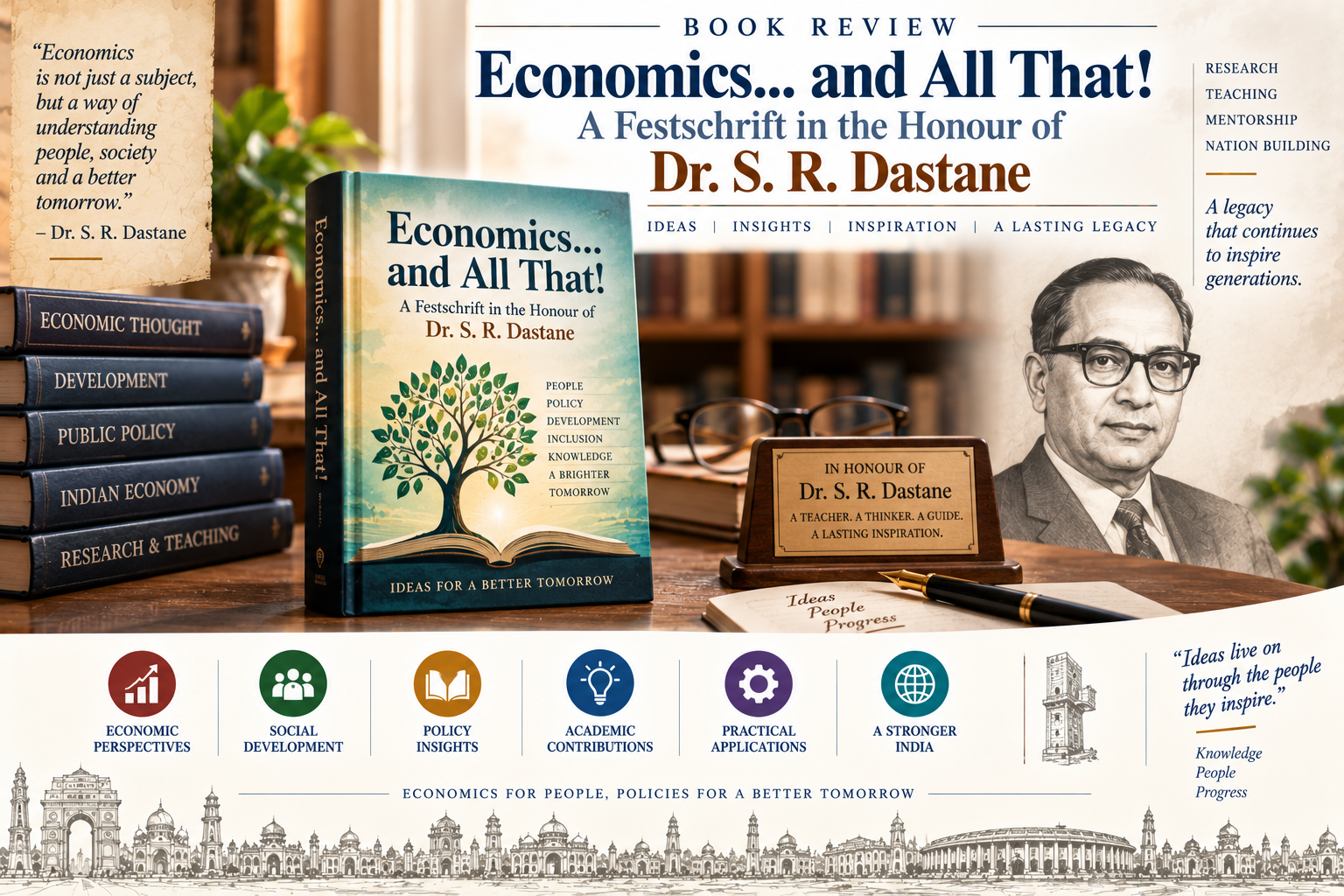
Research Article Book Review: Economics... and All That! A Festschrift in the Honour of Dr. S. R. Dastane
Preview Abstract

This article presents a review of the book "Economics... and All That! A Festschrift in the Honour of Dr. S. R. Dastane". The book is dedicated to the academic, economic, social and intellectual contributions of Dr. S. R. Dastane. It brings together a collection of articles and research papers covering a wide range of economic and social issues. The review highlights the multidimensional nature of the volume and its contribution to economic thought and research. The book includes articles in both English and Marathi and provides perspectives on various contemporary economic and social issues.

Keywords: Book Review, Economics, Dr. S. R. Dastane, Economic Thought, Economic Research

Article Thumbnail
Research Article An Overview of Health Facilities in Nagpur District
Preview Abstract

This study provides an overview of public health facilities and important health indicators in Nagpur district. Health, sanitation, clean drinking water, electricity, clean cooking fuel and adequate healthcare facilities are important components of human development and quality of life. The study reviews the availability of public health infrastructure in Nagpur district and examines selected health indicators in comparison with Maharashtra. It highlights disparities between urban and rural areas and between different talukas of Nagpur district. The study emphasizes the need for greater public investment in healthcare, improvement of health infrastructure and wider access to health insurance and healthcare services, particularly in rural areas.

Keywords: Public Health Facilities, Health Expenditure, Health Indicators

Article Thumbnail
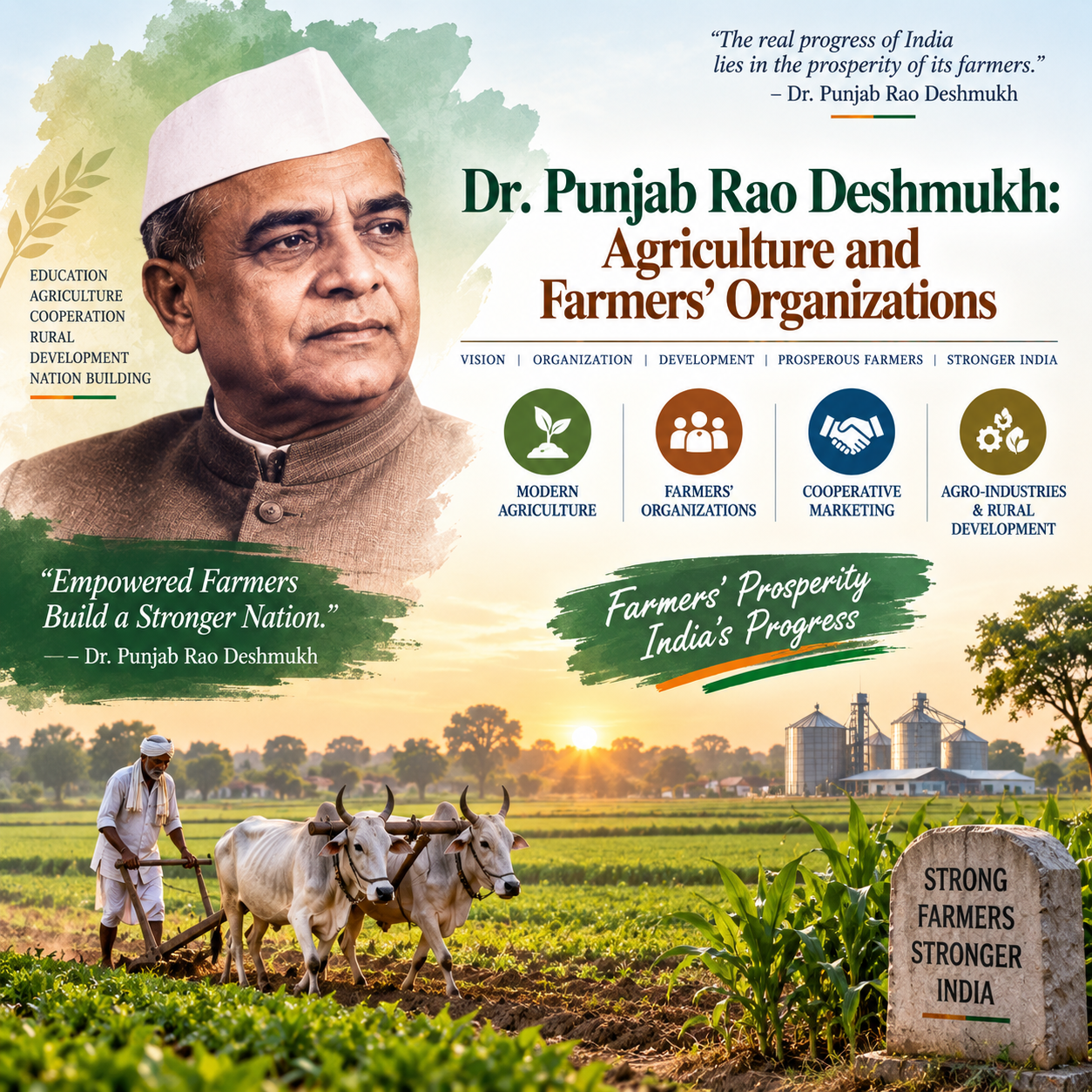
Research Article Dr. Punjab Rao Deshmukh: Agriculture and Farmers' Organizations
Preview Abstract

This article discusses the social, economic and political contributions of Dr. Punjab Rao Deshmukh, with particular emphasis on his ideas concerning agriculture and farmers. He focused on the problems faced by Indian farmers and suggested various measures for improving their economic condition. He advocated farmer organizations and cooperative marketing systems to support farmers. He emphasized the adoption of modern agricultural methods, improvement in agricultural production and the establishment of agro-industries. The article also discusses the participation of women farmers and young people in farmer organizations and highlights the importance of strengthening farmer organizations to address agricultural problems.

Keywords: Agriculture, Farmers, Farmer Organizations, Cooperative Marketing, Agricultural Development, Agro-Industry

Article Thumbnail
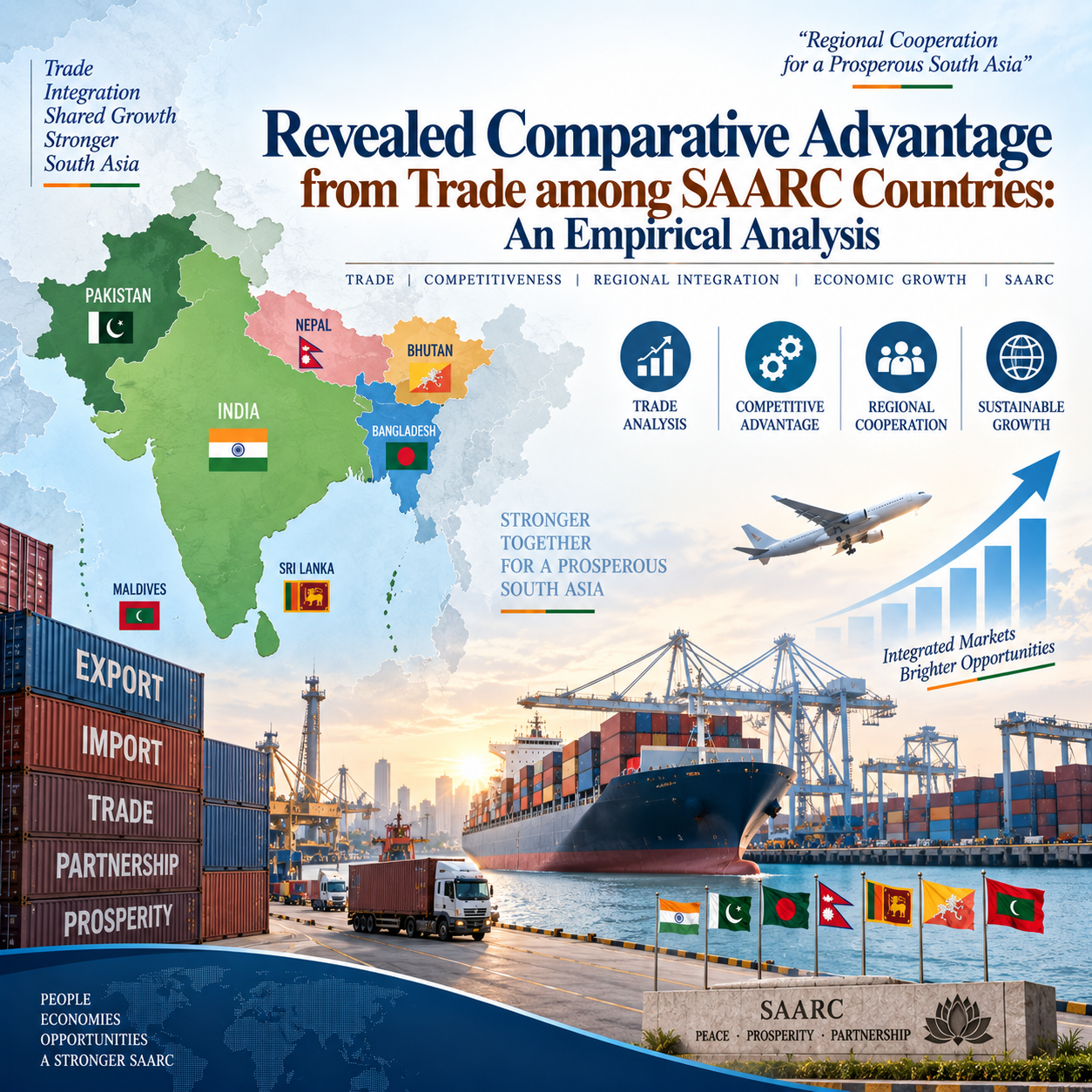
Research Article Revealed Comparative Advantage from Trade among SAARC Countries: An Empirical Analysis
Preview Abstract

The analysis of comparative advantage has been undertaken using the Balassa (1965) index of revealed comparative advantage for six-digit level of Harmonized System classification. This study analyses the competitiveness and the pattern of trade flows from India to SAARC member countries. Regional integration in SAARC has significantly affected trade patterns, comparative advantage and competitiveness. The paper examines India's relative advantage in various commodities with SAARC countries through export and import comparative advantage. The study finds that commodities such as coal, coke and briquettes, motor vehicles, and medicinal and pharmaceutical products have high to very high competitive advantages in exports to SAARC countries. India also has comparative advantages in imports of animal feeding stuff, crude animal and vegetable materials, and vegetables and fruits. The study concludes that there is further scope for increasing India's trade with SAARC members and recommends stronger policy initiatives to promote regional trade.

Keywords: Revealed Comparative Advantage (RCA), Trade, Specialization, Competitiveness, Balassa Index, Imports, Exports

Article Thumbnail
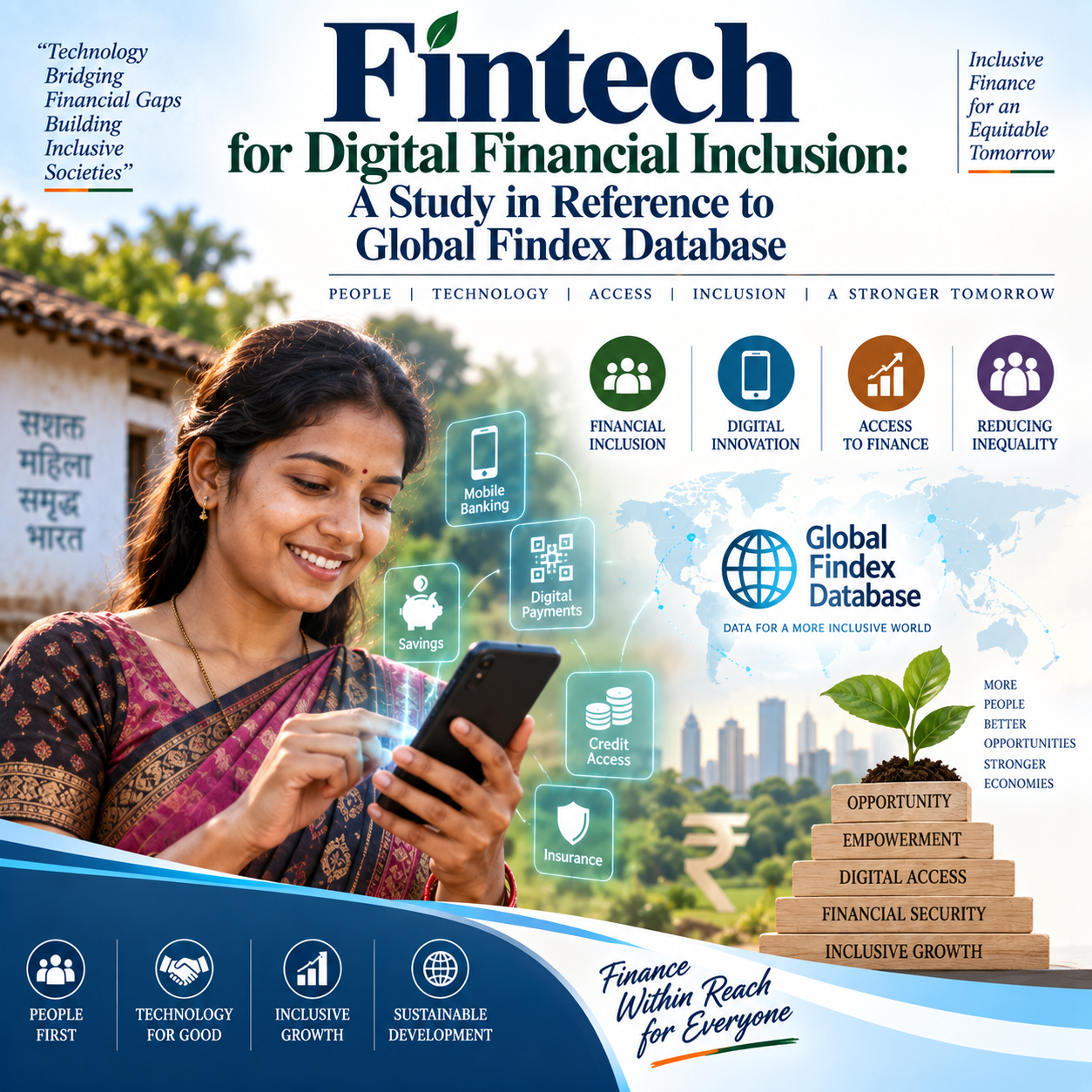
Research Article Fintech for Digital Financial Inclusion: A Study in Reference to Global Findex Database
Preview Abstract

Fintech has been a rising sector in the financial world and has significant potential for promoting financial inclusion. This paper uses the World Bank's Global Findex database to understand problems faced by consumers and challenges associated with financial inclusion. The reduced cost of internet access and the competitive smartphone market have made technology more affordable. The study analyses inequality in society and examines how fintech can help reduce financial gaps. It discusses different types of fintech services and their potential to provide affordable and accessible financial products. The paper suggests that cost management, customized products, user-friendly services, digital infrastructure and cooperation between government and technology companies can help fintech contribute more effectively to financial inclusion.

Keywords: Fintech, Financial Inclusion, Technology, Global Findex, Digitalisation

Article Thumbnail
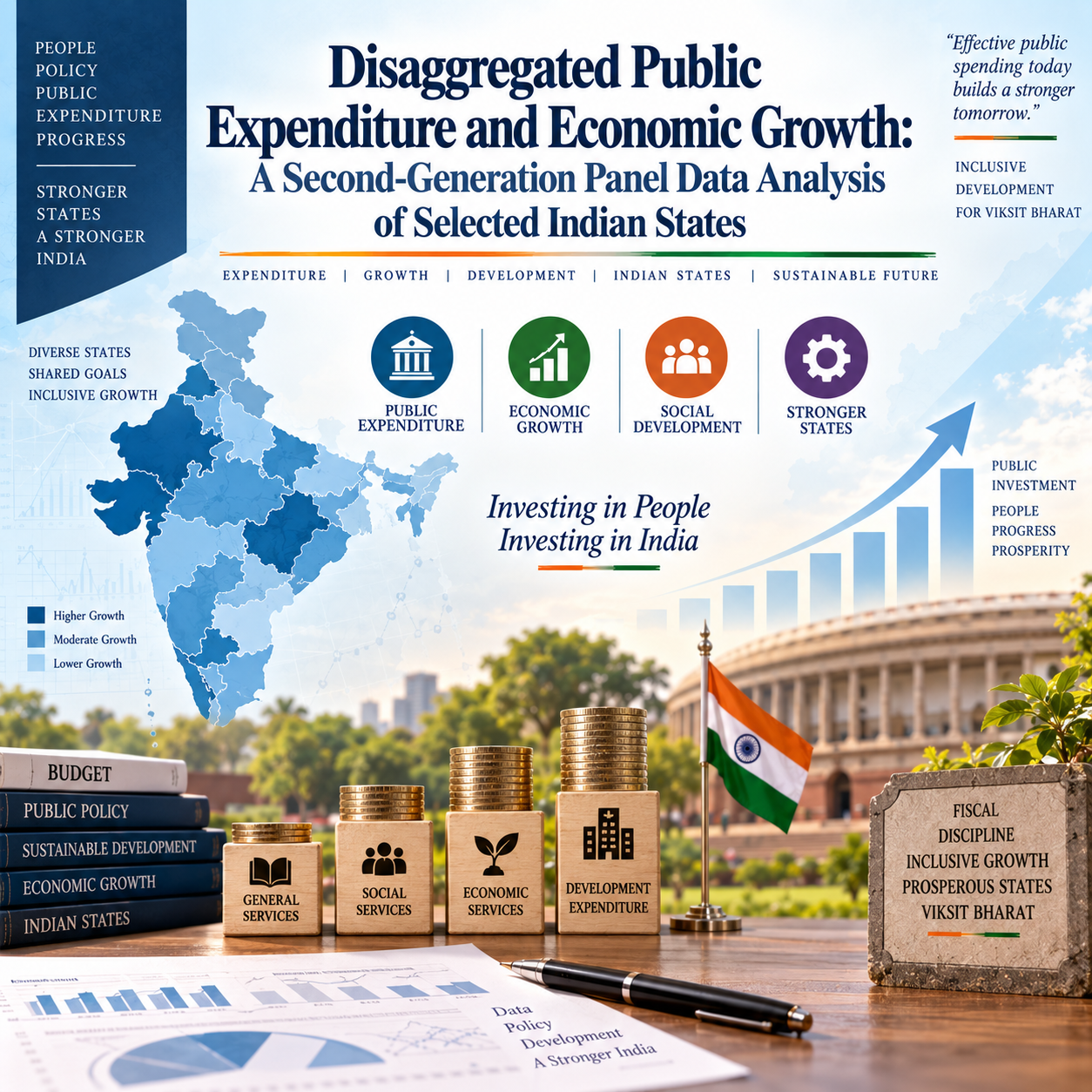
Research Article Disaggregated Public Expenditure and Economic Growth: A Second-Generation Panel Data Analysis of Selected Indian States
Preview Abstract

Public expenditure is an important fiscal instrument to achieve the Sustainable Development Goals. This study uses balanced panel data to investigate the impact of development expenditure, including social and economic services expenditure, and non-development expenditure, including general services expenditure, on economic growth for fourteen major non-special category Indian states from 1990-91 to 2020-21. The states are categorized into high-income and low-income panels. Using the Panel Dynamic Ordinary Least Square technique, the study finds that components of development expenditure under revenue expenditure contribute to economic growth. Non-development expenditure has a negative long-run relationship with economic growth for high-income states. Dumitrescu and Hurlin Granger causality results support both Wagnerian and Keynesian directions of causality in the short run. The findings also highlight problems of capital expenditure allocation and the risk of corruption.

Keywords: Economic Growth, Public Expenditure, Social Services Expenditure, Economic Services Expenditure, General Services Expenditure, Second-Generation Panel Data Analysis, High-Income States, Low-Income States

Article Thumbnail
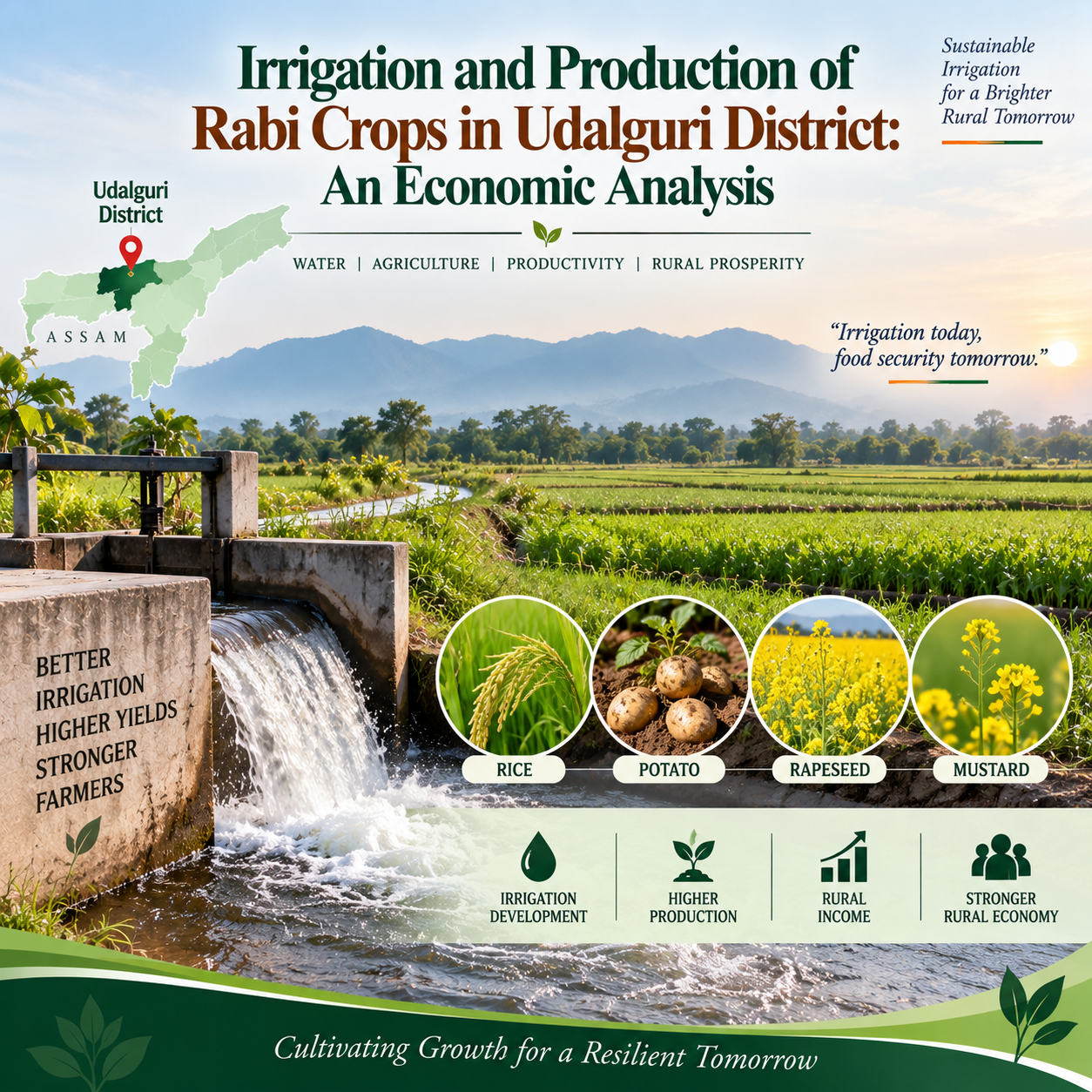
Research Article Irrigation and Production of Rabi Crops in Udalguri District: An Economic Analysis
Preview Abstract

The rabi season crops are grown during the dry season and are important for food security and income generation because kharif crops in Assam are frequently affected by floods. Irrigation is one of the most important agricultural inputs for sustaining rabi crops. This study examines the growth trends of irrigated areas and the impact of net irrigated area on the production of selected rabi crops in Udalguri district of Assam. Compound Annual Growth Rate and Linear Regression Analysis are used for the study. The results show a positive growth trend in irrigated areas. Net irrigated area significantly affects the production of summer rice and potato, while it has no significant impact on the production of rapeseed and mustard.

Keywords: Rabi Crops, CAGR, Linear Regression Analysis, Growth Trends of Irrigated Area, Summer Rice, Potato, Rapeseed and Mustard

Article Thumbnail
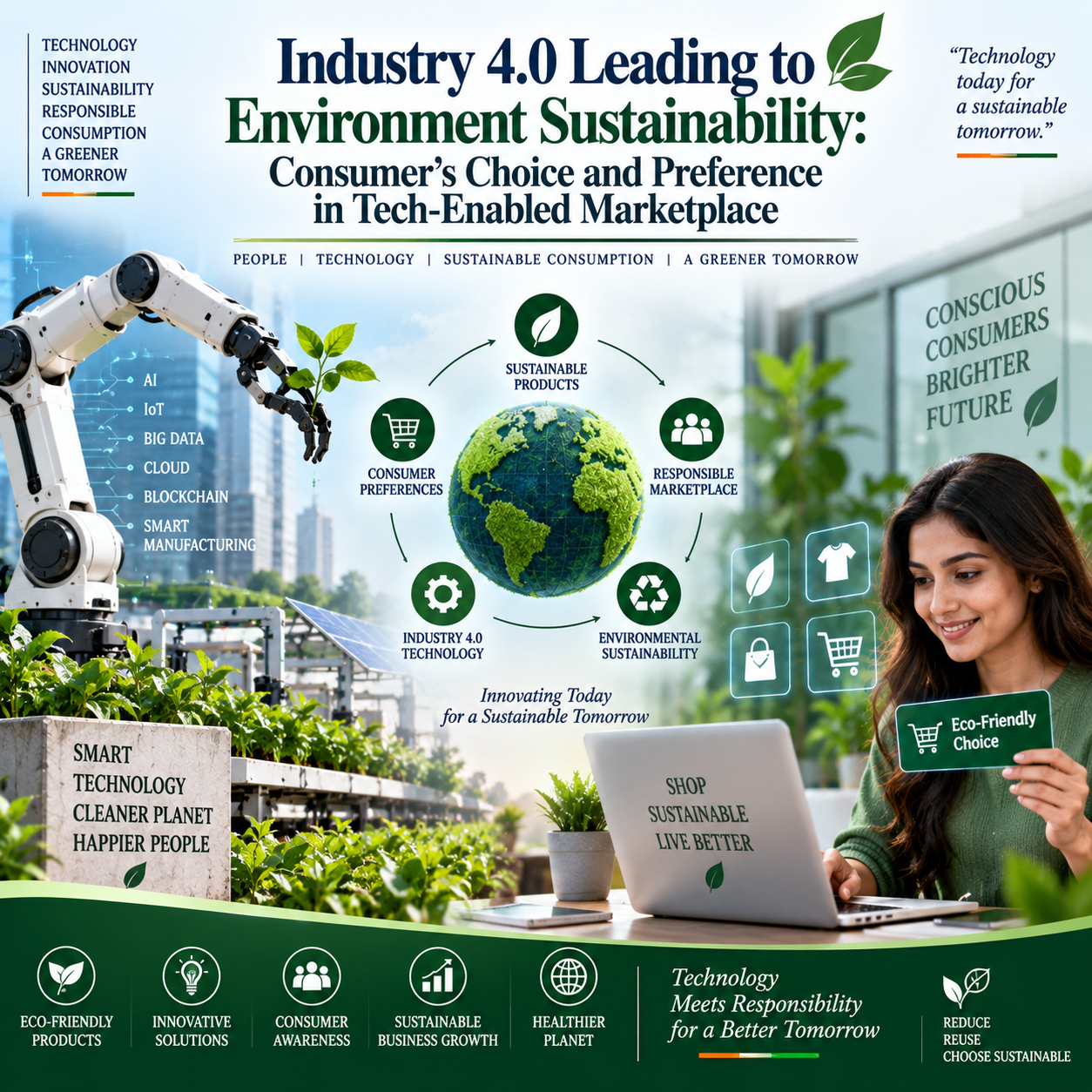
Research Article Industry 4.0 Leading to Environment Sustainability: Consumer's Choice and Preference in Tech-Enabled Marketplace
Preview Abstract

Technological advancements such as artificial intelligence, machine learning, Internet of Things, cloud computing, blockchain and sensing technology have revolutionized industries and enabled retailers to pursue sustainability objectives. These technologies can also contribute to the achievement of Sustainable Development Goals. Consumers are increasingly conscious of environmental sustainability and are changing their buying habits towards sustainable and eco-friendly products and services. However, retailers face challenges in predicting consumer choices because psychographic characteristics influence purchasing decisions. This study examines changing consumer beliefs about using technology as a medium for achieving environmental sustainability and explores the role of Industry 4.0 technologies in sustainable retailing.

Keywords: Industry 4.0, SDGs, Technology, Sustainability, Consumer Psychographics, Retailing

Article Thumbnail
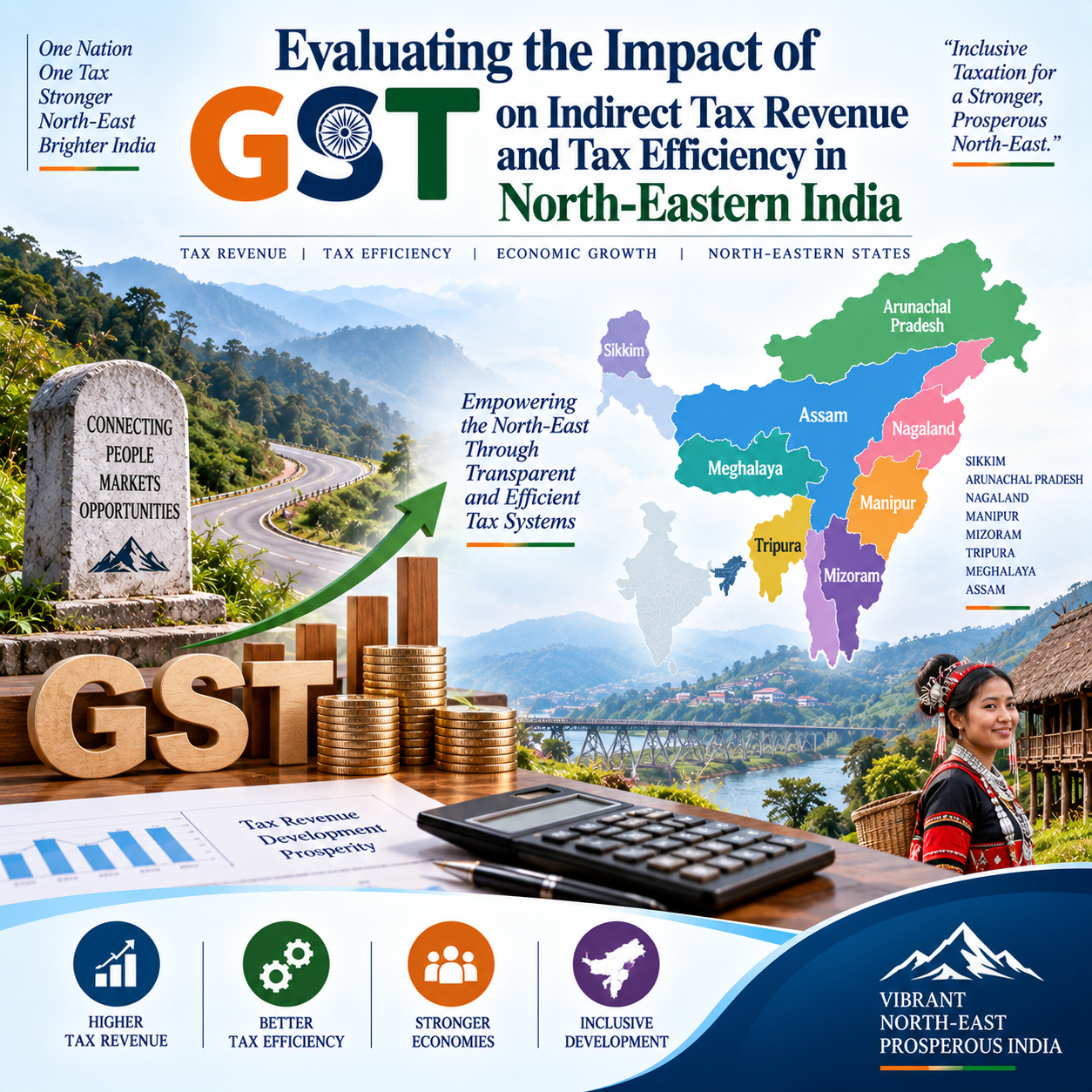
Research Article Evaluating the Impact of GST on Indirect Tax Revenue and Tax Efficiency in North-Eastern India
Preview Abstract

Along with the vision of One Nation, One Tax, the implementation of GST was designed to enhance revenue collection. This paper examines whether indirect tax revenue increased for the eight North-Eastern states—Sikkim, Arunachal Pradesh, Nagaland, Manipur, Mizoram, Tripura, Meghalaya and Assam—after the introduction of GST and evaluates the tax effort or efficiency of these states. The study uses GST Network data for the pre-GST period from FY 2012-13 to 30 June 2017 and the post-GST period from 1 July 2017 to FY 2023-24. Variables include indirect tax revenue, year-on-year growth rate, indirect tax revenue as a percentage of GSDP and monthly compliance. The findings demonstrate that revenue collection increased following the enactment of GST and tax effort improved after the GST rollout.

Keywords: GST, Gross State Domestic Product (GSDP), Tax Effort, Tax Efficiency

Article Thumbnail
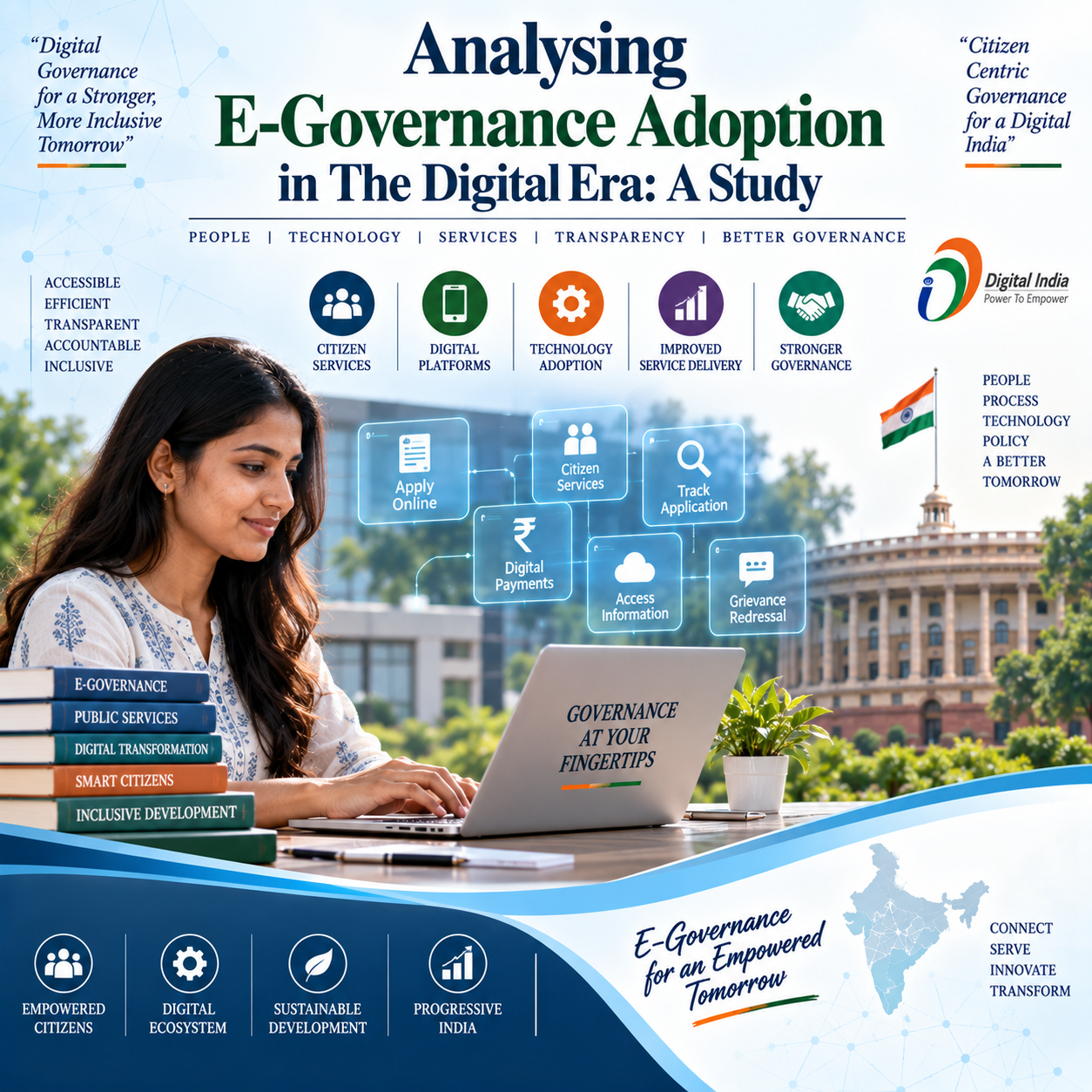
Research Article Analysing E-Governance Adoption in The Digital Era: A Study
Preview Abstract

In the digital revolution, governments worldwide have increasingly adopted digital technologies to improve service delivery through e-governance initiatives. This research examines the multifaceted implications of digital transformation on the adoption of e-governance services. The study considers technological and socio-economic factors such as effort expectancy, facilitating conditions, performance expectancy, social influence and trust. Data was collected from 80 citizens in Goa, India, through a structured survey instrument. SPSS and Partial Least Squares Structural Equation Modelling were used for statistical analysis. The study provides insights for policymakers, practitioners and stakeholders seeking to improve adoption of e-governance services in an increasingly digitalized environment.

Keywords: Adoption, Digital Transformation, Digital Revolution, E-Governance Services, Technology