Arthamimansa – Research Journal
Welcome to Arthamimansa Research Journal

Research Journal of Vidarbha Arthashastra Parishad

Included in earlier published UGC CARE Journals (Group-1) List

Research Articles
Browse peer-reviewed research publications
Article Thumbnail
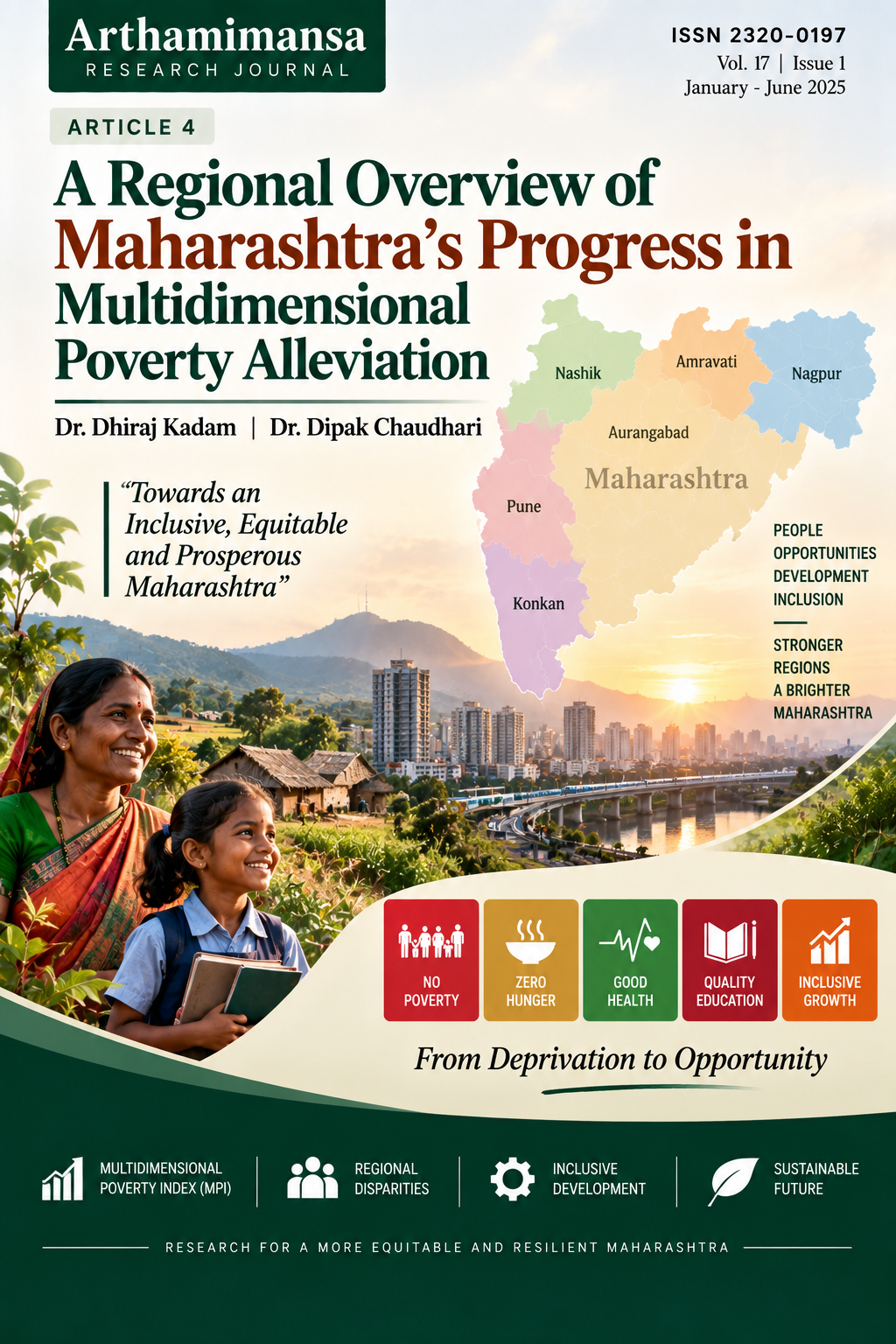
Research Article A Regional Overview of Maharashtra's Progress in Multidimensional Poverty Alleviation
Preview Abstract

Although Maharashtra is considered an industrially advanced state, regional disparities and the challenge of multidimensional poverty remain significant. This research paper presents a regional analysis of the changes in the Multidimensional Poverty Index, Headcount Ratio, and Intensity of Poverty in Maharashtra during the period from 2015–16 (NFHS-4) to 2019–21 (NFHS-5). Utilizing data from NITI Aayog’s National MPI Progress Review (2023) and IIPS population projections (2021), it compares Maharashtra’s six administrative divisions: Konkan, Pune, Nashik, Aurangabad, Amravati, and Nagpur. The findings reveal that although Maharashtra’s overall MPI decreased by 49%, this decline is not uniform across all regions. Urban and industrial divisions like Pune and Nagpur achieved notable success in poverty reduction, while divisions such as Nashik, Konkan, and Amravati continue to show concerning levels of deprivation. The study underscores that poverty is not merely a matter of low income but is linked to multidimensional deprivations. Therefore, poverty eradication requires more than just statistical reduction—it demands region-specific, impact-driven, and socially inclusive policies. To achieve social justice, equal opportunity, and sustainable development in the state, there is a need to shift the policy focus from reducing the number of the poor to reducing the intensity of their poverty.

Keywords: Multidimensional Poverty Index (MPI); Headcount Ratio (HCR); Intensity of Poverty; Regional Disparities; Deprivation; Inclusive Development; Poverty Reduction; Sustainable Development Goals (SDGs)
Article Thumbnail
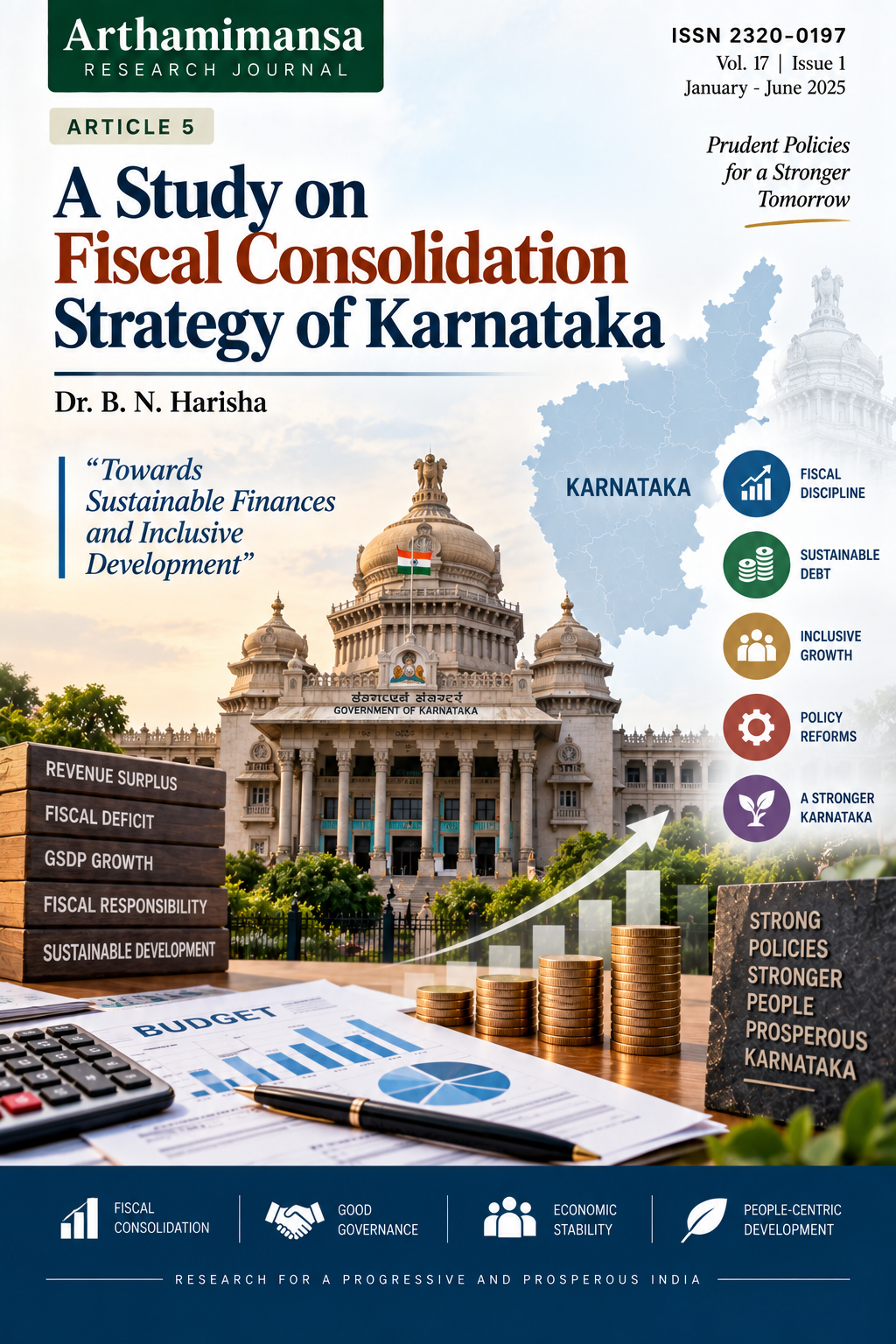
Research Article A Study on Fiscal Consolidation Strategy of Karnataka
Preview Abstract

In Karnataka fiscal forms were brought to the forefront with the medium term fiscal plan (MTFP) during 2000-05. MTFP is an annual document which has fiscal targets and policies for budgetary exercise. The most important thing is, in 2002, Karnataka is the first state to establish Karnataka Fiscal Responsibility Act (KFRA). It is the statuary backup to the MTFP. Karnataka is on a fiscal consolidation path and borrowed money public findings at the time of Economic slowdown. after implementing KFRA. It had recorded revenue surplus and fiscal deficit was within 3 per cent of GSDP. As per the government of India guidelines state devoted to fiscal consolidation path.

Keywords: Medium Term Fiscal Plan, Karnataka Fiscal Responsibility Act, GSDP

Article Thumbnail
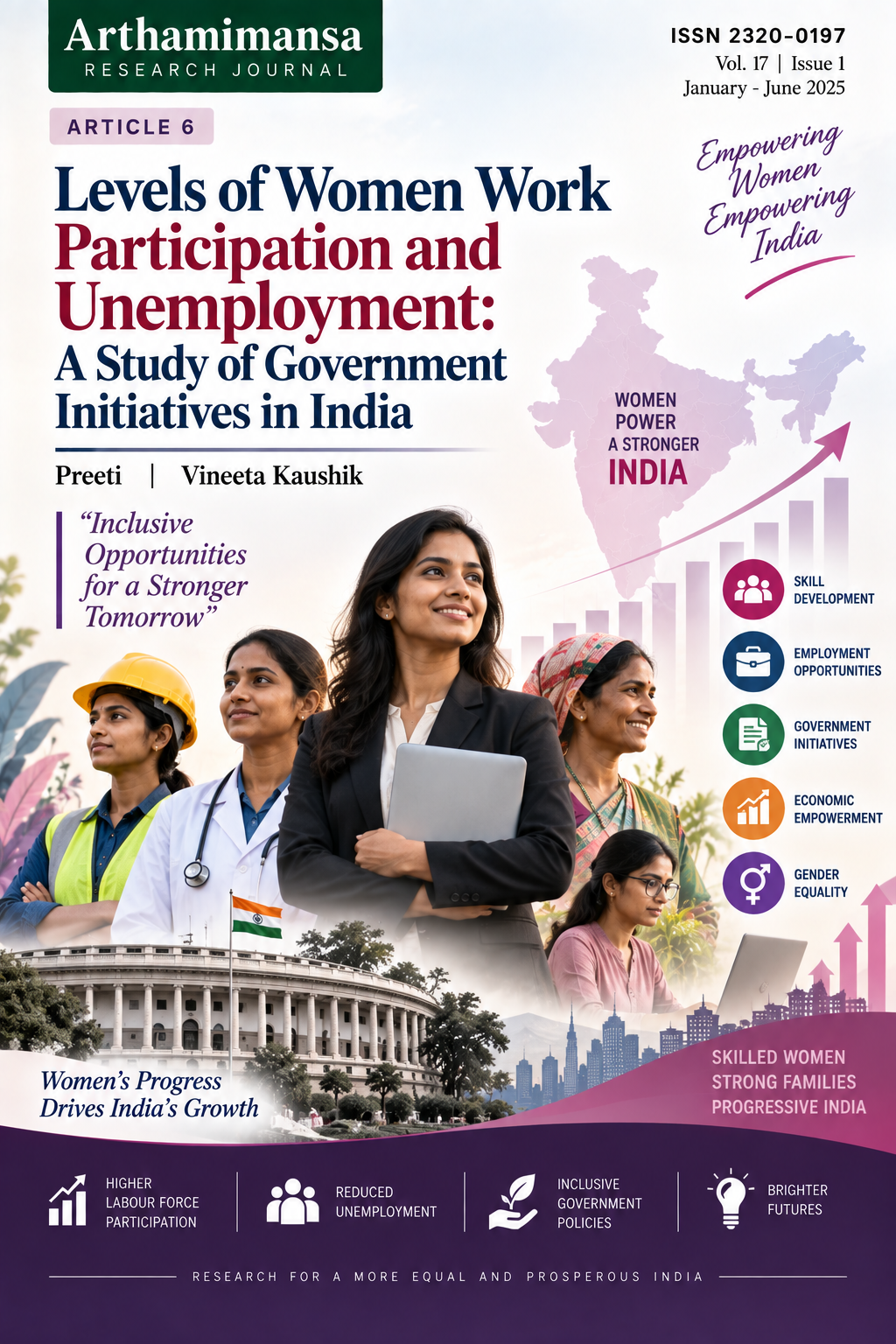
Research Article Levels of Women Work Participation and Unemployment: A Study of Government Initiatives in India
Preview Abstract

A nation`s level of economics activity is significantly influenced by the size of its workforce. Considering that women make up half of the nation`s population, their involvement in economic activities is essential. Women`s participation in the workforce not only influences economic development but it also has an impact on their lives in terms of opportunities and benefits. In this context, this paper aims to provide an overview of women`s (age 15 and above) participation in workforce in India. This paper examines the trends and patterns of women unemployment and Women Worker Population Ratio from 2015-16 to 2023-24 in India. The main finding of this paper is that, WWPR is much lower than its male counterparts i.e., 76.3 percent for males and 40.3 percent for females in 2023-24. Additionally, this paper provides an in-depth evaluation of the significant initiatives, the government has implemented to reduce unemployment rates in India. In last, our paper raises the concern about women`s falling workforce participation and makes policy recommendations for boosting productive employment and decreasing women unemployment. Secondary sources of data were used in this study, obtained from National Sample Survey Organization and annual Periodic Labour Force Survey for the year 2015-16 to 2023-24.

Keywords: Women, Unemployment, Women Worker Population Ratio, Government Initiatives

Article Thumbnail
Research Article Emerging Potential of Food Processing Sector in India
Preview Abstract

This study explores the evolution of India's food processing sector from traditional methods to modern technology, emphasizing its global significance in food security and sustainability. It outlines primary and secondary food processing types and highlights the sector’s benefits, including reduced waste, employment generation, and increased export revenue. Food products dominate the industrial landscape, comprising 15.89% of all factories and 16.74% of operational ones. Of 246,504 total factories in India, 198,628 are active, employing over 16.6 million people, utilizing ₹364,135 crores in fixed capital, and generating ₹898,330 crores in output. In 2019–20, the sector employed 20.32 lakh people in registered units (12.22% of industry employment) and 51.11 lakh in 2015–16 (14.18%). India’s food exports rose from $34.42 billion in 2017 to $44.71 billion in 2021, increasing its global share to 2.48%. FDI trends show fluctuations, peaking at ₹6,414.67 crore in 2019–20 and declining sharply in 2020–21 due to COVID-19. Despite growth potential and resource availability, the sector faces a critical shortage of skilled manpower, requiring targeted strategies to enhance productivity and profitability.

Keywords: Food Processing; Growth; Foreign Direct Investment; Gross Value Added; Industries

Article Thumbnail
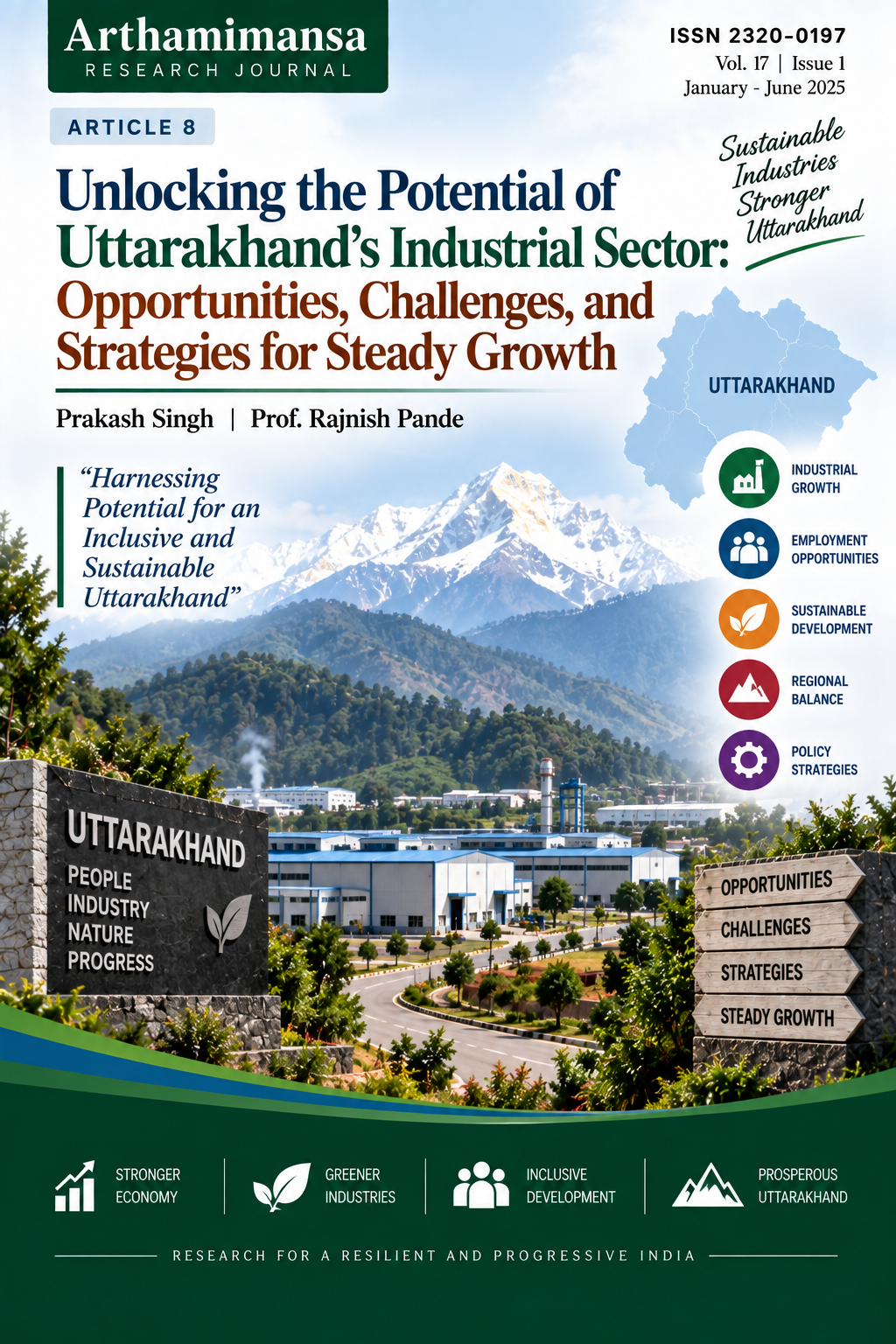
Research Article Unlocking the Potential of Uttarakhand’s Industrial Sector: Opportunities, Challenges, and Strategies for Steady Growth
Preview Abstract

This research paper investigates the industrial development of Uttarakhand, with particular emphasis on its economic prospects, challenges, and strategies to encourage sustainable industrial development. Since its establishment in 2000, the state’s industrial sector has experienced significant evolution, contributing approximately 36% to Uttarakhand’s Gross State Domestic Product (GSDP) by 2023. Crucial sectors such as pharmaceuticals, food processing, and micro, small, and medium enterprises (MSMEs), which employ over 60% of the workforce, have been pivotal drivers of this progress. Notwithstanding these accomplishments, several challenges endure, including geographical limitations stemming from the region’s mountainous terrain, environmental concerns, and the uneven distribution of industrial activity between urban and rural areas. Such challenges have resulted in considerable regional income disparities, with urban centres like Dehradun and Haridwar exhibiting markedly higher per capita incomes than mountainous districts. This study scrutinises the factors propelling industrial growth, assesses the obstacles hindering expansion, and suggests strategies for cultivating a more inclusive and environmentally sustainable industrial ecosystem. Principal recommendations encompass enhancing infrastructure, promoting green technologies, and aligning industrial policies with the state’s distinctive ecological context. The paper concludes that, through appropriate policy interventions and infrastructural investments, Uttarakhand can fully realise the potential of its industrial sector, thereby ensuring long-term economic resilience and mitigating regional disparities.

Keywords: Sustainable Development, Micro, Small, and Medium Enterprises (MSMEs), Ecological Sustainability, Regional Inequalities, Green Technologies

Article Thumbnail
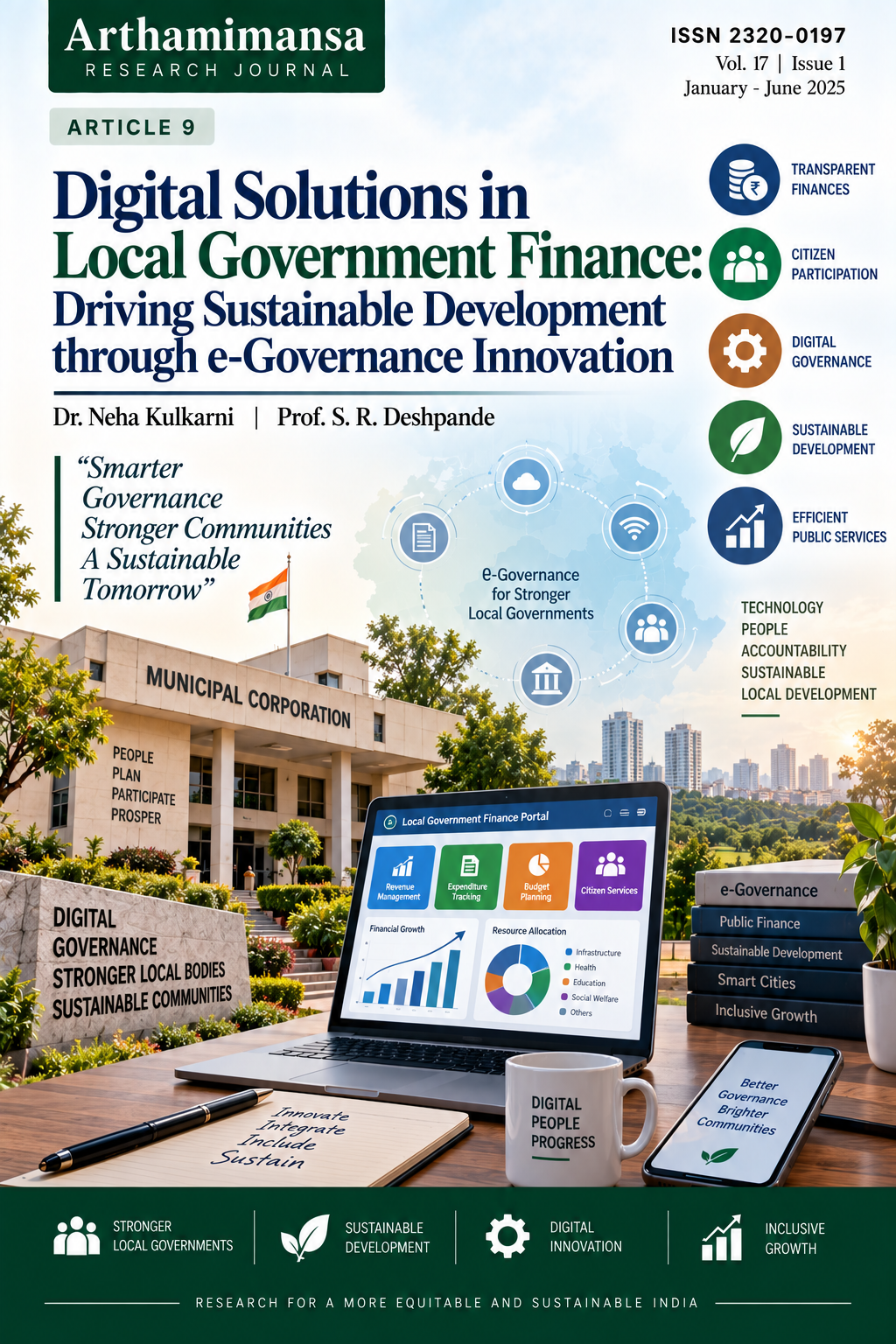
Research Article Digital Solutions in Local Government Finance: Driving Sustainable Development through e-Governance Innovation
Preview Abstract

Digital technologies are vital in numerous functions within local government tasks like digital records management, data analytics, and online service delivery for informed decision-making. Appropriate digital technology strategies can significantly improve effectiveness, accountability and efficiency in establishing transparent digital reporting systems. Indeed, while acknowledging these challenges, it's essential to recognize they represent only one facet of the broader spectrum of obstacles faced by local governments in technology adoption, factors like inadequate expertise in technology integration, difficulties in allocating resources effectively and uncertainties surrounding the implementation of strategies stand out prominently. The paper used secondary data to achieve the research objective. Governance has evolved through different phases traditional, new public management, bureaucratic, participatory governance and collaborative. A notable research gap within the context of technology adoption among local governments. The paper aims to enhance a comprehensive study regarding Agenda 21, which outlines several concrete strategies to achieve sustainability. Substrates of sustainability (finance, social, economic and environmental) in planning practice. Driving forces, conditions, responses, impacts and a detailed summary of the governance paradigm of conditions and influencing factors. Findings can significantly impact the direction and success of digital technology adoption for local governments.

Keywords: Sustainability, Local Governance, digital financial inclusion, participatory governance and collaboration

Article Thumbnail
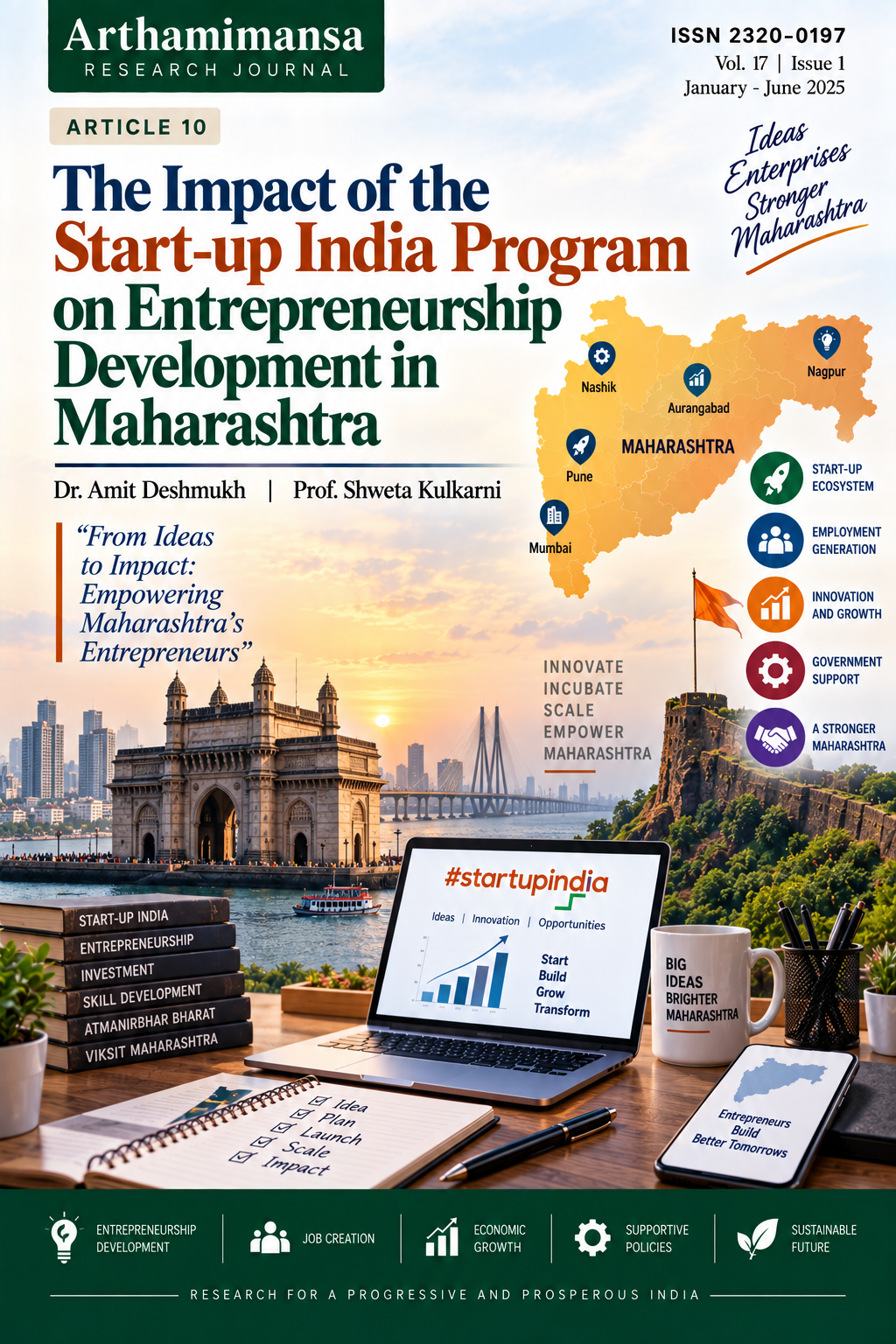
Research Article The Impact of the Start-up India Program on Entrepreneurship Development in Maharashtra
Preview Abstract

Startup India, an initiative of the Government of India launched in 2016, promotes entrepreneurial growth through the relaxation of rules, financial incentives, and enhanced infrastructural facilities. It has experienced high entrepreneurial activity in one of India’s most significant economic centres, Maharashtra. This research critically examines the Impact of the Startup India initiative on the entrepreneurial environment of Maharashtra, with an emphasis on key determinants such as startup creation, access to capital, the efficacy of policy, and structural factors. In addition, the study also discusses the role of the micro, small, and medium Enterprises (MSMEs) sector, which has been the driving force behind economic growth and employment generation in India. The MSME sector plays a significant role in industrialising backwards and rural regions, promoting regional balance, and achieving balanced wealth distribution. In recognition of its role, the Micro, Small and Medium Enterprises Development Act 2006 was implemented to overcome policy impediments, increase investment ceilings, and unify the manufacturing and service sectors under one umbrella. Using a mixed-methods study design, this research paper compares the startup environment in Maharashtra with best practices in India and current inefficiencies. The study identifies the positive reforms introduced by Startup India and the current shortcomings that necessitate policy adjustments. It also examines emerging trends on the horizon, including technological Innovation, and places Maharashtra on the Indian startup map. The research findings offer valuable insights for enhancing policy effectiveness and promoting an entrepreneurial culture in Maharashtra.

Keywords: Startup India, MSMEs, Business culture

Article Thumbnail
Research Article Crop Adaptation in a Changing Climate: Trends in Soybean, Cotton, and Tur (Pigeon Pea) Production in Amravati Division
Preview Abstract

This paper investigates the impact of rainfall fluctuations on the production trends of major crops—cotton, soybean, and tur (pigeon pea)—in the Amravati Division of Maharashtra, India, from 2011 to 2023. Analysing annual production data across five districts (Akola, Amravati, Buldhana, Washim, and Yavatmal) in relation to rainfall patterns, the study reveals a significant correlation between climatic variability and crop yields. Soybean, cotton, and tur production exhibited considerable volatility, with sharp declines during low rainfall years and increases in periods of favourable precipitation. Buldhana and Amravati demonstrated better recovery trends, suggesting some level of crop adaptation, while Akola, Washim, and Yavatmal showed higher sensitivity to rainfall inconsistencies. The findings underscore the need for improved irrigation infrastructure, climate-resilient seed varieties, enhanced soil and water conservation techniques, and diversified cropping systems to foster long-term agricultural stability and mitigate the adverse effects of climate change in the region.

Keywords: Crop Adaptation, Climate Change and Rainfall Variability

Article Thumbnail
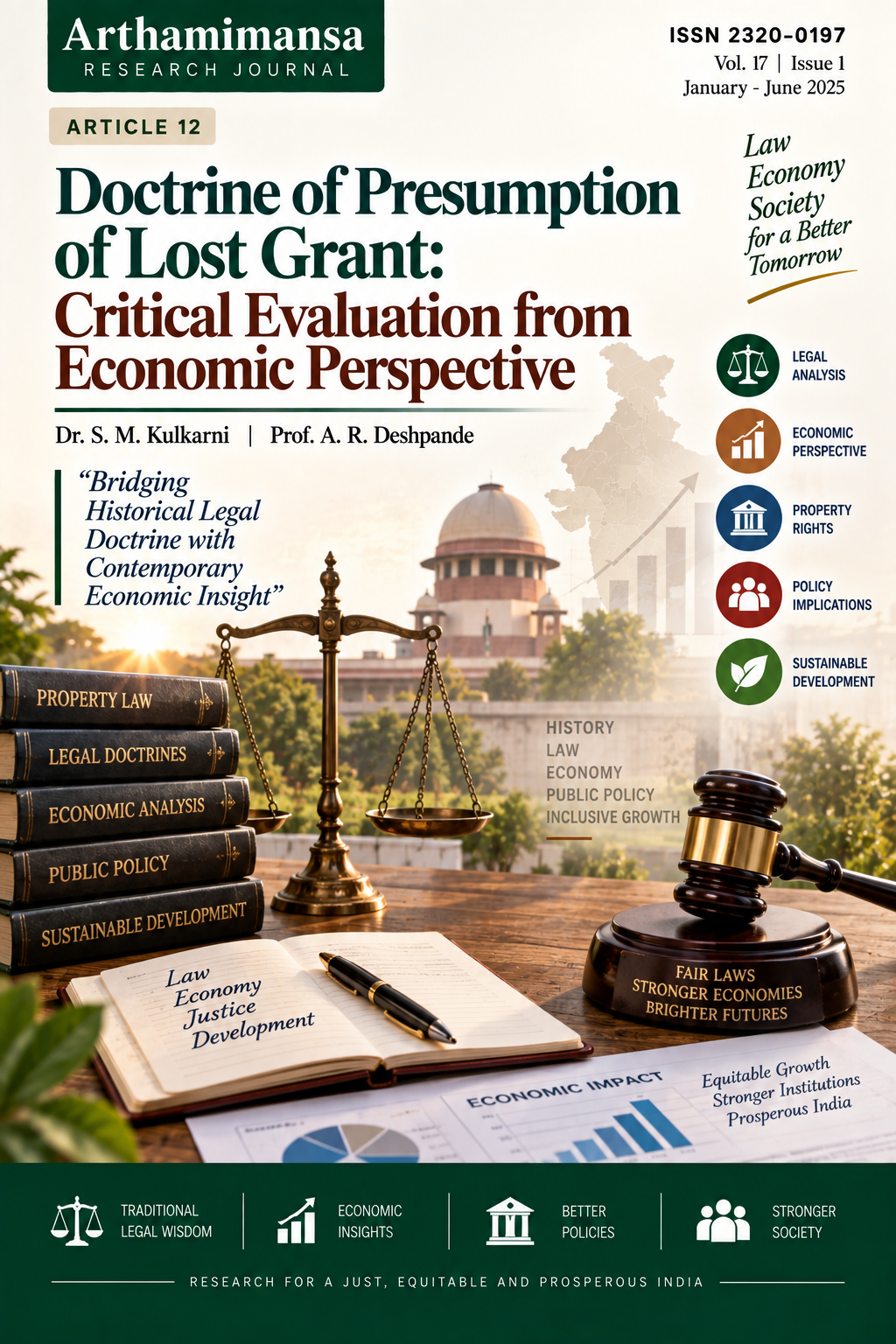
Research Article Doctrine of Presumption of Lost Grant: Critical Evaluation from Economic Perspective
Preview Abstract

In the realm of law of ownership of property Doctrine of Lost Grant is a unique concept originated with the aim to end property disputes by continuing with the occupation and usage of a property whose lawfulness is not questioned since a sufficiently long time spanning several generations. However, at times the wrongful owners and forceful occupants also benefit from it. In the judgment of Hon’ble Supreme Court rejection of this argument has demonstrated the economic benefits in Indian context specifically in property disputes related with sites under inter-faith disputes. Ayodhya Temple construction has resulted in tremendous economic prosperity of the town of Ayodhya and adjoining places in eastern Uttar Pradesh which is evident from the data emerging from banks and other Government Institutions. The quality of life of citizens in these areas has also improved manifold because of tremendous infrastructure development.

Keywords: Grant, Peaceful, Long Possession, Economic Prosperity

Article Thumbnail
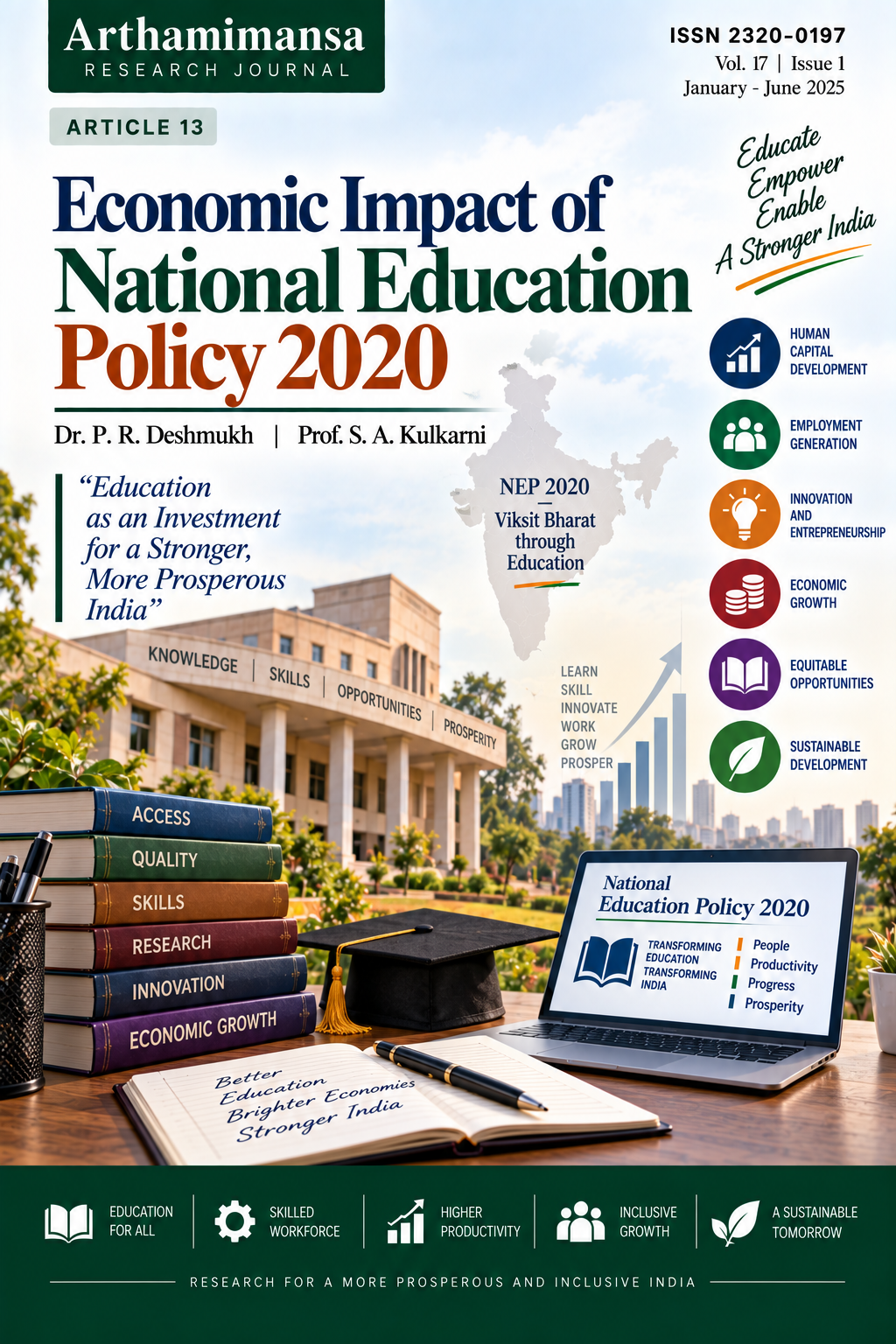
Research Article Economic Impact of National Education Policy 2020
Preview Abstract

The National Education Policy (NEP) 2020 has introduced sweeping reforms aimed at transforming the education landscape in India. This paper examines the economic implications of NEP 2020, focusing on funding requirements, resource allocation, and its potential impact on long-term economic benefits. Through a comprehensive analysis of policy documents, academic literature, and empirical data, insights into how economic growth, human capital development, and the overall socio-economic structure of India can be influenced.

Keywords: National Education Policy, India, Human Capital Development, Social and Economic Inclusion, Economic growth